
14Apr
How To Recognize and Recover From Frozen Pipes
Navigating the winter season as a property owner or tenant in Jersey City often comes with the challenge of keeping your plumbing safe from freezing temperatures. Frozen pipes not only disrupt water flow but also lead to significant water damage if they burst.
Learning the signs of frozen pipes and how to recover from them is essential for minimizing damage and maintaining a functional home during the colder months. But this prompts the crucial question: how do you know if your pipes are frozen?
In this comprehensive guide, we explore how to identify frozen pipes, the common frozen pipes symptoms, and what to do when pipes are frozen to help you avoid the hassle and expense of dealing with frozen plumbing throughout Jersey City, Hoboken, Bayonne, and all of Hudson County.
For immediate professional frozen pipe services throughout Hudson County, contact 911 Restoration of Jersey City now at 201-216-1112 for 24/7 emergency response with a guaranteed 45-minute arrival time.
Why Do Pipes Freeze?
Pipes are susceptible to freezing when exposed to severely cold temperatures, especially if the water inside them is stagnant. Specifically, they can freeze when the temperature falls below 32 degrees Fahrenheit for over three hours and the power is out.
Pipes in areas that are not heated, such as the attic, basement, garage, crawl space, or an exterior wall with minimal insulation, are particularly vulnerable. These pipes are exposed to colder air, making them more likely to freeze.
Jersey City and Hudson County properties face elevated freeze risks due to:
- Older homes with inadequate pipe insulation
- Exterior walls with minimal insulation common in historic buildings
- Unheated basements and crawl spaces
- Pipes running along exterior walls
- Multi-family buildings where heating may be inconsistent
- Properties near the waterfront experiencing colder winter temperatures
New Jersey's harsh winters with temperatures frequently dropping below freezing for extended periods create perfect conditions for frozen pipes throughout Hudson County.
Why Frozen Pipes Are Dangerous
The immediate consequence of a frozen pipe is a disruption to water flow. However, the true danger lies in the potential for the line to burst.
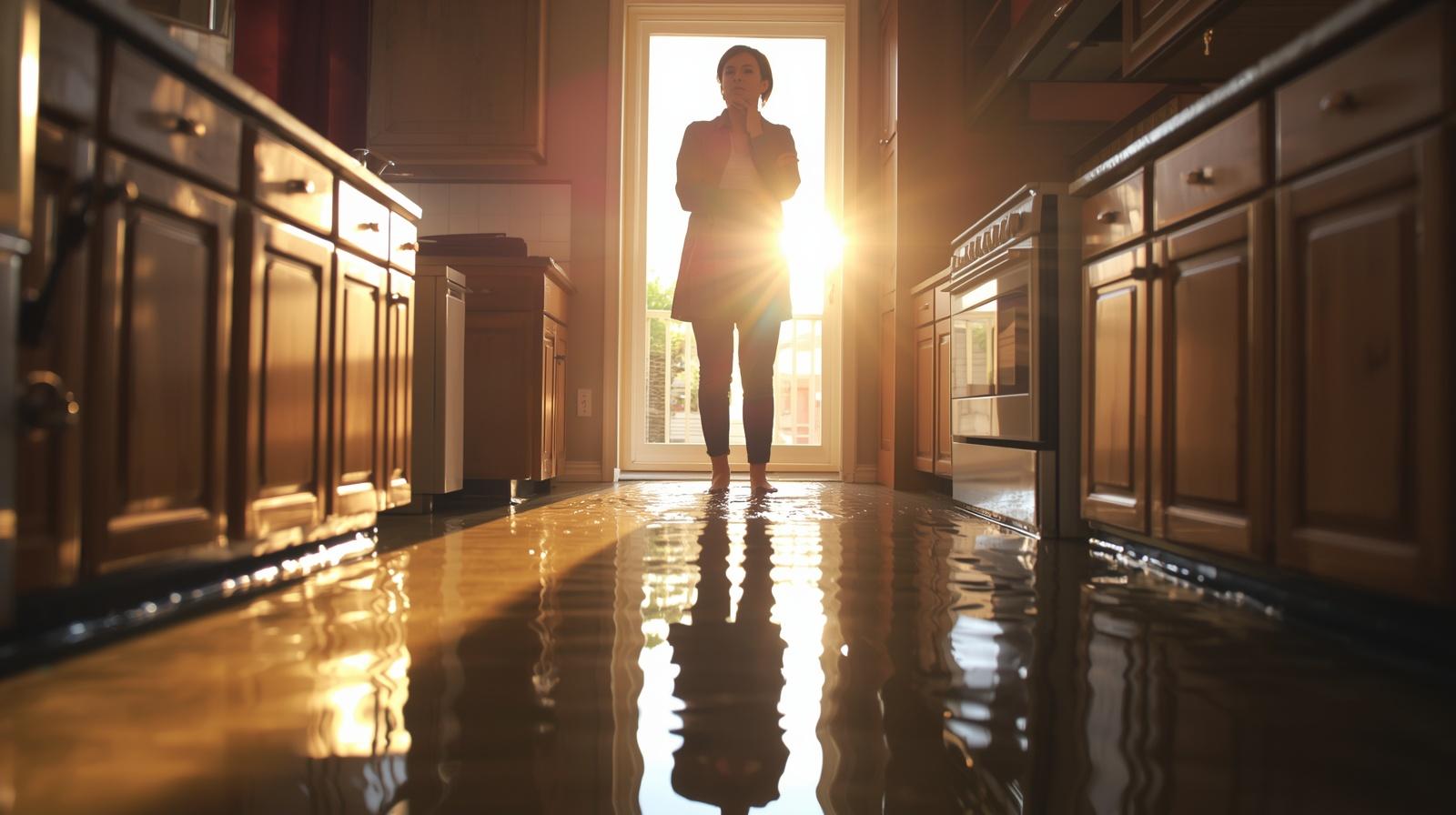
Water expands as it freezes, creating pressure inside water lines. Excessive pressure can rupture the pipe, leading to severe water damage and substantial repair costs. In the worst cases, burst water lines can introduce ankle-deep water into your home during winter and cause thousands of dollars in damages.
On the bright side, there are warning signs of frozen pipes that can help you catch the problem early and take the necessary steps to keep your home safe and dry all winter.
How Do You Know if Your Pipes Are Frozen: Frozen Pipes Symptoms To Look Out For
Catching these common signs of frozen pipes early on can save you from extensive water damage and the inconvenience of dealing with burst pipes.
1. Little to No Running Water
The most obvious sign of a frozen pipe is a noticeable reduction or complete absence of water flow from faucets. If you turn on a faucet and only a slight trickle comes out, it's a strong indicator that the water within the pipes may be frozen.
In cold weather throughout Jersey City and Hudson County, always pay attention to the consistency of water flow to catch this issue promptly. Check multiple faucets throughout your home; frozen pipes often affect specific areas while others maintain normal flow.
2. Cracked or Bulging Pipes
Inspect your plumbing visually for any visible damage. Frozen water expands, leading to cracks and bulges in the pipes. Check both exposed and hidden pipes in basements, crawl spaces, and under sinks for any irregularities. Identifying and addressing these issues early can prevent more severe damage down the line.
Pay special attention to pipes running along exterior walls in older Jersey City, Hoboken, and Bayonne homes where insulation may be inadequate.
3. Visible Frost or Condensation on Pipes
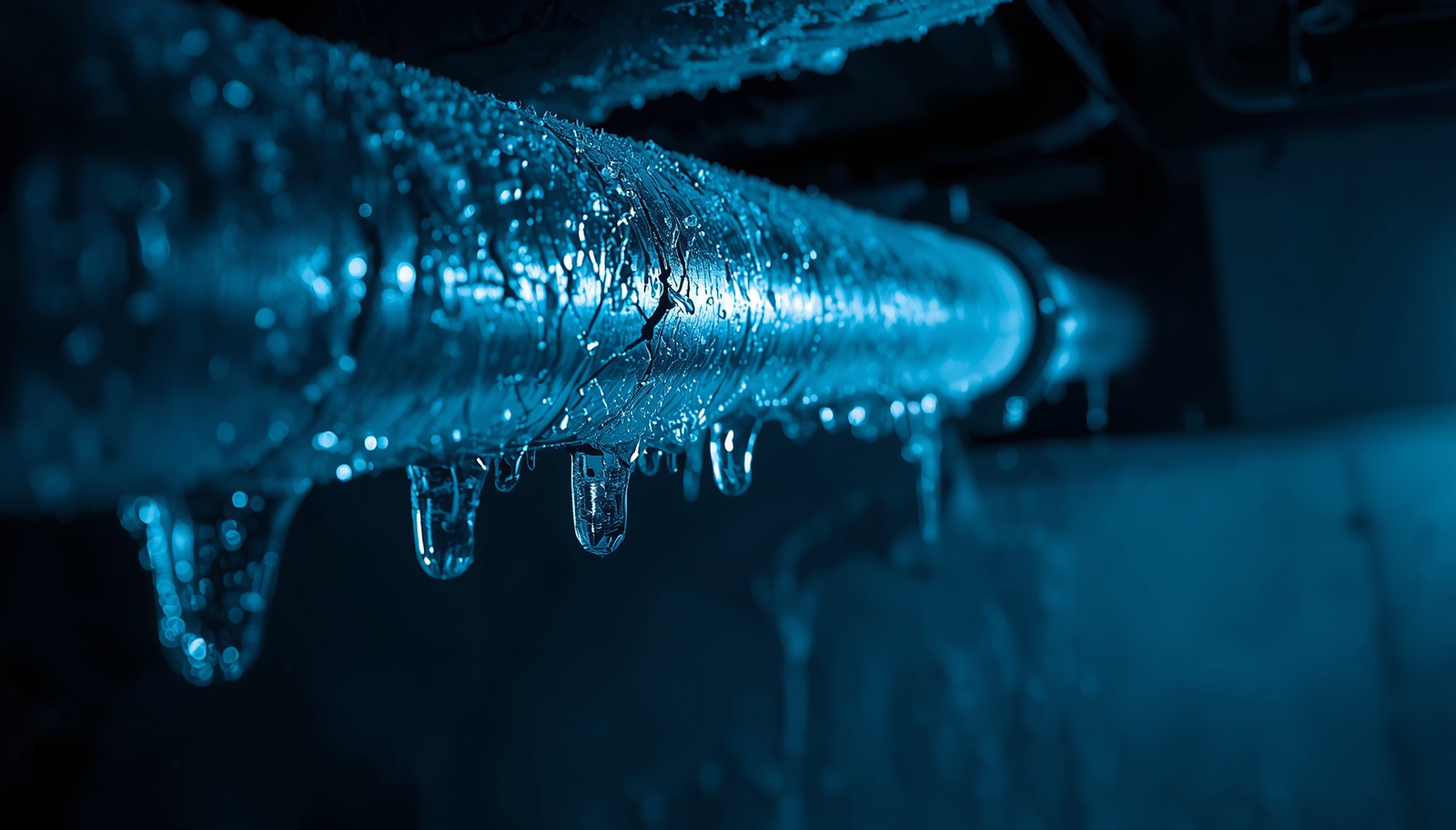
An external indicator of frozen pipes is the presence of frost or condensation on the exterior of the pipes. This is a clear signal that the water lines are exposed to extremely low temperatures and may be freezing.
Check pipes in unheated areas like basements, garages, and crawl spaces during cold snaps. Frost formation on pipe exteriors indicates internal freezing has begun or is imminent.
4. Gurgling Sounds
Unusual sounds coming from your plumbing can be a sign of trouble. If you hear gurgling or bubbling noises when you use your faucets or flush toilets, it could indicate chunks of ice traveling through your water lines.
These sounds occur as water tries to flow around ice blockages within pipes. Any unusual plumbing sounds during freezing weather warrant immediate investigation.
5. Foul Odors From the Drain or Faucet
Frozen pipes can impede the proper drainage of wastewater, leading to unpleasant odors. If you notice foul smells emanating from drains or faucets, it may result from trapped waste water due to frozen pipes. Promptly addressing the frozen pipes not only eliminates the odors but also prevents potential backups.
Sewage odors indicate frozen drain lines preventing proper waste flow. This requires immediate professional attention to prevent sewage backups into your property.
6. Water Damage on Walls and Ceilings
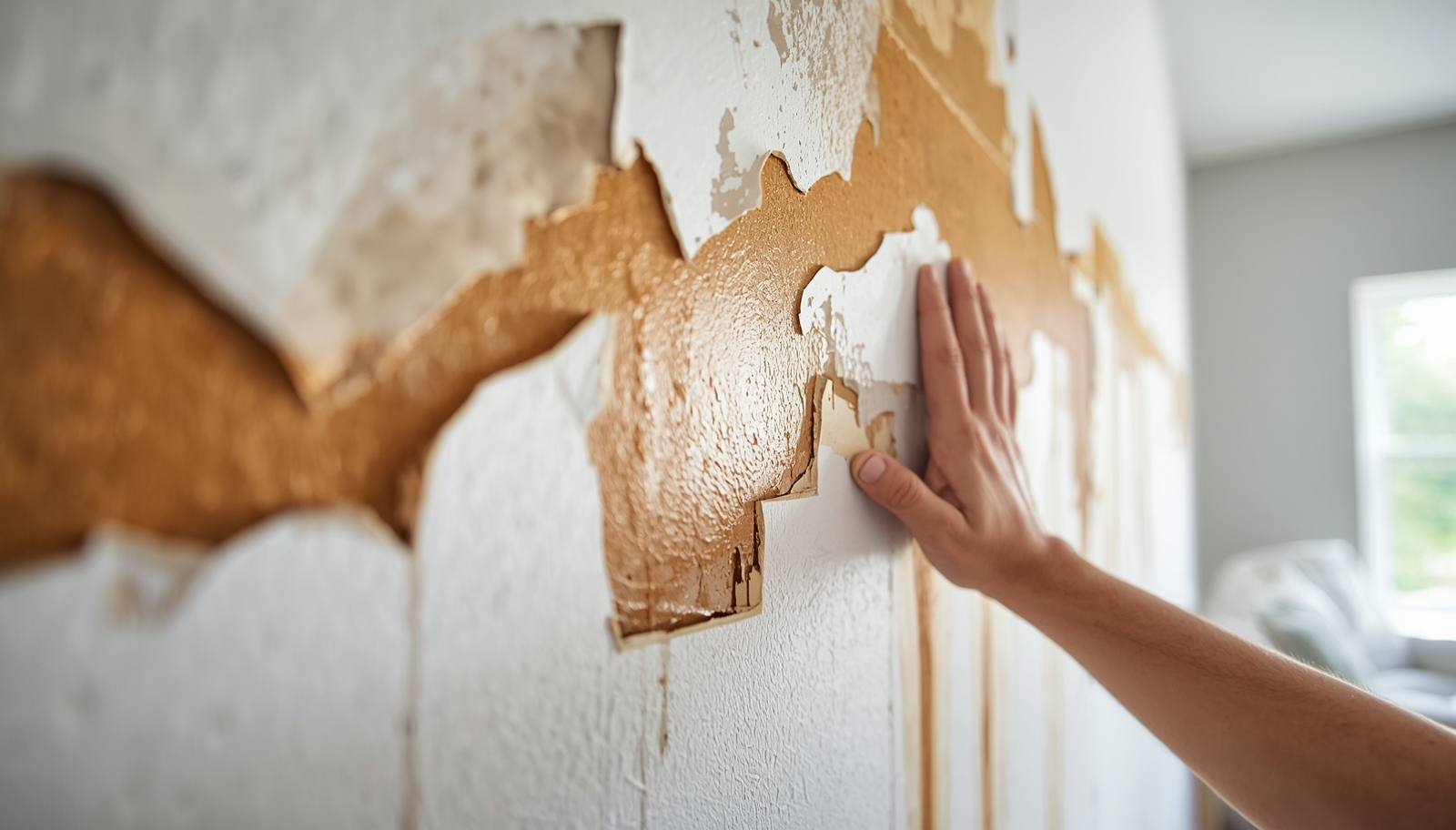
When pipes burst due to freezing, they can cause significant water damage to your home. Keep an eye out for water stains on walls and ceilings, as well as any unusual discoloration or warping. Detecting water damage early can minimize the extent of repairs needed and reduce associated costs.
Water stains, bubbling paint, or ceiling discoloration indicate pipes have already burst and are actively leaking. Shut off water immediately and contact 911 Restoration of Jersey City for emergency response.
What To Do When Pipes Are Frozen
It is possible to thaw frozen pipes yourself, but this should be done carefully to avoid any damage. Applying heat to the affected section of the water line using a hair dryer, heat tape, or a portable heater can be effective. However, open flames should be avoided as they pose a fire risk.
Safe thawing methods:
- Use a hair dryer on low heat, working from the faucet toward the frozen section
- Apply heating pads or heat tape designed for pipes
- Use space heaters directed toward affected areas (never leave unattended)
- Open cabinet doors allowing warm air to reach pipes
- Increase home temperature temporarily
If the thawing process isn't working, you're unable to locate the freeze, or the pipe has already burst, don't delay calling in a professional. 911 Restoration of Jersey City has the tools and expertise to resolve the issue safely and effectively.
Never attempt to thaw frozen pipes with:
- Open flames (torches, blowtorches)
- High heat that can damage pipes
- Boiling water poured directly on pipes
How To Tell If Frozen Pipes Burst
All types of pipes can freeze, including copper, steel, PVC, PEX, and other plastics. However, PEX, PVC, and other plastics don't always burst. Copper water lines are the most prone to ruptures when frozen.
Here are five practical steps on how to tell if frozen pipes burst to help you catch problems early and get professional intervention before the situation worsens.
1. Inspect Your Home for Signs of Water Damage
Water damage is a telltale sign of a burst pipe. Look for water stains on walls, ceilings, or floors. Pay close attention to discoloration, warping, or bubbling paint, as these are clear indications of water infiltration. The sooner you identify these signs, the quicker you can address the issue and mitigate further damage.
Check basements, crawl spaces, and areas beneath bathrooms and kitchens where pipes commonly run. Hudson County's older homes often have pipes in vulnerable locations making visual inspection essential.
2. Turn On Your Water To Check for Smells or Discoloration
Turn on your faucets and let water flow through the pipes. Any unusual smells or discoloration in the water may indicate a burst pipe. Rusty or foul-smelling water could be a result of contaminants entering your water supply due to a breach in the pipes.
If in doubt, it's best to refrain from using the water and get in touch with 911 Restoration of Jersey City to resolve the problem.
3. Check Your Water Meter and Water Pressure
Turn off all water sources in your home and check the meter. If it continues to register water use even with everything turned off, it suggests a leak, most likely caused by a burst pipe.
Also, low water pressure throughout your home can indicate a compromised pipe system. It can make it difficult to perform daily tasks like showering, washing dishes, or doing laundry, making immediate assistance crucial.
4. Check Your Property for Any Unusual Water Buildup
Inspect the exterior of your property for any signs of water accumulation or sinkholes in the ground. A burst pipe can lead to water pooling in unexpected areas, such as your yard or driveway. Identifying these external signs can help narrow down the location of the burst pipe and expedite repairs.
Winter ice formation around your property's foundation or unusual wet spots in frozen ground indicate underground pipe bursts requiring immediate attention.
5. Watch Out for Increasing Mold in Your Home
Mold thrives in damp environments, making it a common consequence of burst pipes. Keep an eye out for bacterial growth on walls, ceilings, or other surfaces.
If you notice increased mold in new areas, this could indicate water damage caused by a burst pipe. Addressing both the burst pipe and the mold promptly is crucial for maintaining a healthy living environment. New Jersey's indoor humidity during winter creates ideal mold conditions following pipe bursts.
What To Do When a Frozen Pipe Bursts
Remaining calm and following these steps can help you regain control of the situation and minimize further damage to your property and possessions.
1. Shut Off the Water Supply
When a frozen pipe bursts, the first action to take is to stop the water flow. Locate your home's main water shut-off valve and turn it off immediately. This valve is typically found in the basement, garage, or near the foundation where the main water line enters the house.
Every Jersey City homeowner should know their main shutoff location before emergencies occur. Label it clearly for all household members.
2. Turn On the Faucets
After shutting off the main water supply, turn on the faucets connected to the suspected burst pipe to relieve any remaining pressure and allow the water to drain out. This will help minimize additional water damage to your home.
3. Take Electrical Precautions
Before doing anything else, ensure the burst pipe has not affected any electrical systems. If you suspect the water may have reached any outlets, appliances, or your electrical box, shut off the power at the breaker box to prevent electrical shocks.
Never touch electrical fixtures or appliances while standing in water. If you cannot safely reach your breaker box, evacuate and call emergency services.
4. Remove Standing Water
Once you have shut off the water and ensured electrical safety, start cleaning up any standing water. The longer water sits, the more damage it can cause. Mop up the liquid, and if possible, use a wet vacuum to help remove water quickly.
5. Move Personal Items
Speed is essential in moving any belongings that might be damaged by the water. Furniture, rugs, electronics, and other valuables should be relocated to a dry area.
6. Dry Out and Ventilate the Area
Open doors and windows to allow air circulation, which will help dry out the affected areas. If it is safe to use electricity, set up fans and dehumidifiers to expedite the drying process.
However, professional drying equipment proves essential for complete moisture removal preventing mold growth. New Jersey's winter humidity makes thorough professional drying critical.
7. Get Help From Professionals
Once the immediate danger has passed, make sure to call 911 Restoration of Jersey City to help you sort the situation and repair the damage. Our IICRC-certified professionals can address the water damage, dry your property thoroughly, and prevent further issues like mold.
911 Restoration of Jersey City Is Here To Help You Return Your Property to Normal After Frozen or Burst Pipes
The winter season poses a real threat to the integrity of your plumbing system throughout Jersey City and Hudson County. Fortunately, recognizing the telltale signs of frozen pipes and understanding what to do when pipes are frozen can help you protect your property from the inconvenience and costs of frozen water lines. The key is to stay vigilant and prepare your property to withstand the colder temperatures.
In case a burst pipe has already occurred, don't fret. 911 Restoration of Jersey City is ready to help you get your home and life back to normal as soon as possible.
Our comprehensive frozen and burst pipe services include:
- 24/7 emergency response with guaranteed 45-minute arrival
- Immediate water extraction and removal
- Industrial structural drying and dehumidification
- Complete mold prevention and remediation
- Pipe thawing coordination with licensed plumbers
- Structural restoration and reconstruction
- Insurance claim documentation and coordination
- Advanced moisture detection and monitoring
We serve Jersey City, Hoboken, Bayonne, Kearny, Harrison, Newark, North Bergen, Secaucus, Weehawken, Union City, and all of Hudson County with proven frozen pipe expertise.
Contact us at 201-216-1112 for expert assistance anytime. We're available 24 hours a day, seven days a week to reclaim your property, no matter how extensive the damage.
Latest Posts


Contact Us
For Advice
Need help? Talk to an expert
201-216-1112