
7May
How to Spot, Prevent, and Help Repair Drywall Water Damage
Seeing water residue on drywall can be confusing and scary. Left untreated, excessive moisture can lead to severe issues like structural damage and mold issues throughout your Jersey City or Hudson County property. Luckily, there are some things you can do to help mitigate water damage on your wall (particularly drywall).
Water damage can cause severe damage to drywall and other parts of your home, business, or property. So, what are the signs? Can you help prevent and repair this type of water damage? 911 Restoration of Jersey City provides helpful tips and steps.
For immediate professional drywall water damage restoration throughout Hudson County, contact 911 Restoration of Jersey City now at 201-216-1112 for 24/7 emergency response with a guaranteed 45-minute arrival time.
Can Water Damage Harm Drywall?
Yes, drywall is very susceptible to water damage. As soon as the drywall gets wet, the paper backing starts deteriorating and the material loses its structural integrity.
The amount of moisture determines just how damaged your drywall can be. For example, spilling a bottle of water against your wall isn't going to do much damage, but a bathroom flooded by a backed-up toilet can cause structural damage to the joints that hold up drywall pieces, along with a chance that the wooden structure will deteriorate. Even without direct contact with drywall, water damage tends to breed mold spores. If left to dry independently, these mold spores can rot and decay, releasing foul odors.
Jersey City-specific concerns: Many older homes throughout Jersey City, Hoboken, and Bayonne feature plaster walls rather than drywall. While plaster resists moisture better than drywall initially, water damage in plaster walls often goes undetected longer, allowing more extensive damage before becoming visible. Multi-family buildings throughout Hudson County frequently experience drywall water damage from leaks in adjacent units, shared plumbing failures, and HVAC condensation issues.
What Does Water Damage Look Like?
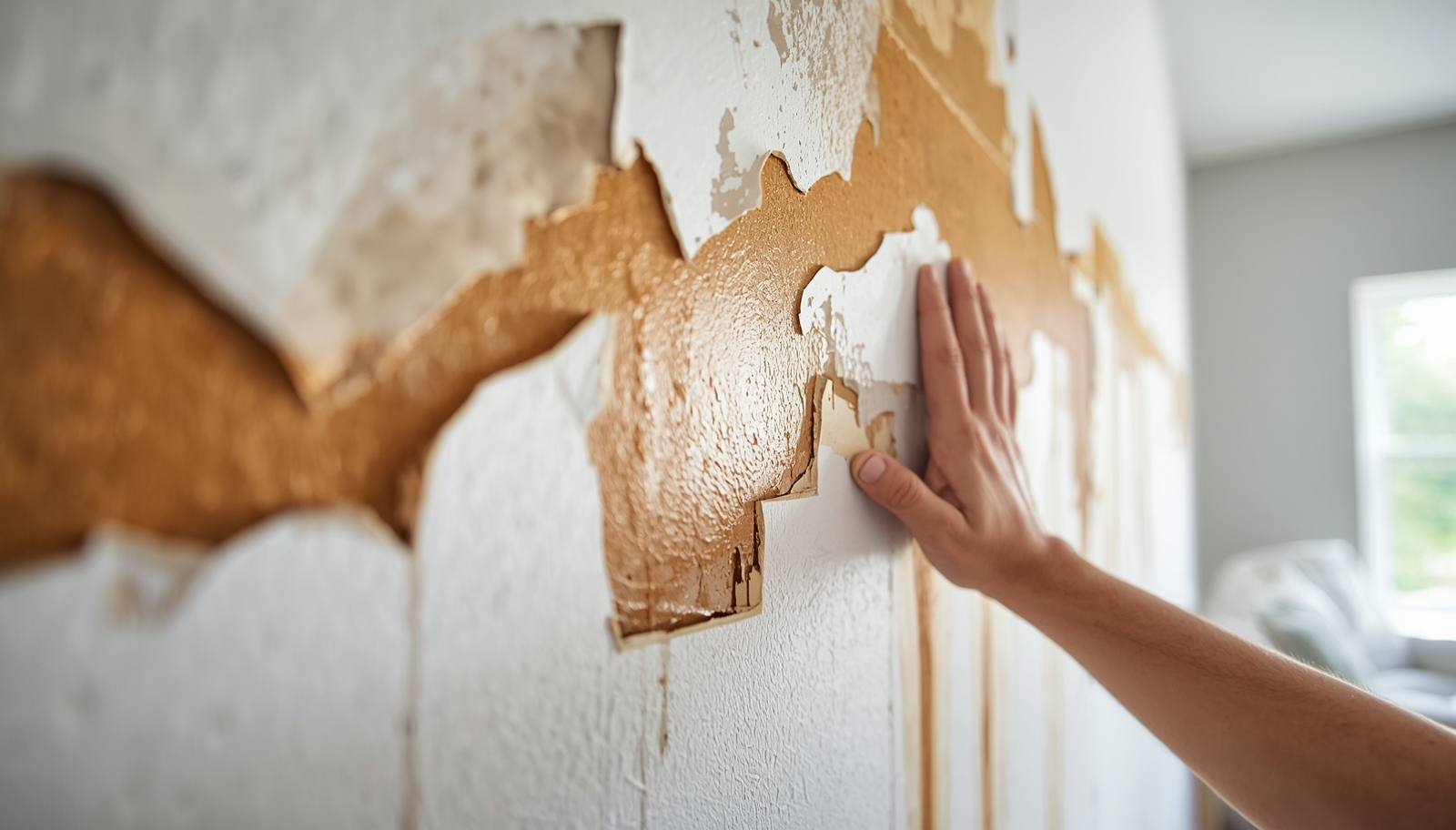
Drywall water damage can take on many different appearances. It often makes walls appear:
- Warped - Sections bulging outward or bowing
- Swollen - Thickness increases along edges or seams
- Sagging - Material pulls away from studs or ceiling
- Discolored - Yellow, brown, or gray staining patterns
Additional visual indicators include:
- Peeling or bubbling paint
- Cracking or crumbling drywall
- Soft or spongy texture when pressed
- Visible mold growth (black, green, or white spots)
- Water stains spreading from specific areas
Keep in mind that mold can appear behind drywall. In that case, sometimes the only hint of damage is a foul, mildewy smell, or an increase in health effects. If you notice these signs, replacing the damaged drywall may be your only option.
New Jersey's humid climate accelerates mold growth behind water-damaged drywall. Visible symptoms often appear weeks after initial water exposure, by which time mold colonization may be extensive requiring professional mold remediation.
What Causes Drywall to Get Wet?
From a broken window during heavy rain to a leaky pipe, there are many causes of water damage that affect exposed drywall throughout Jersey City and Hudson County properties:
Common causes include:
- Leaks and malfunctions in the kitchen - Dishwasher leaks, sink plumbing failures, refrigerator water line breaks
- Leaks and malfunctions in the bathroom - Toilet overflows, shower pan failures, sink and tub leaks
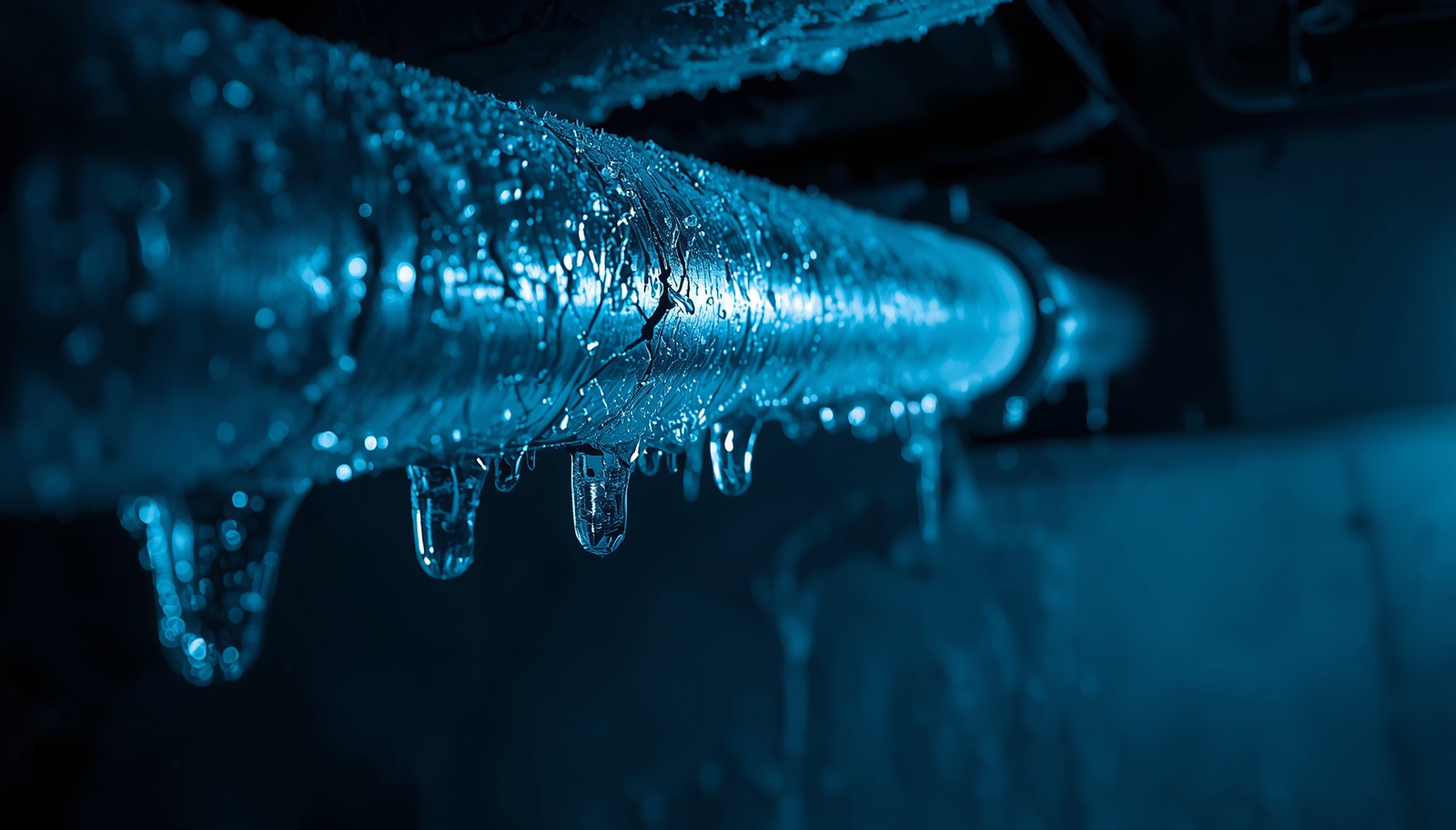
- Plumbing failures - Burst pipes, corroded supply lines, leaking fixtures
- Malfunctioning HVAC - Condensation line clogs, unit leaks, ductwork condensation
- Cluttered HVAC vents - Blocked airflow causing condensation buildup
- Damaged roofing - Missing shingles, flashing failures, ice dam damage
- Damaged windows - Failed seals, cracked glass, deteriorated caulking
- Natural disasters with heavy rainfall - Nor'easters, coastal storms, flash flooding
- Foundation leaks - Water seepage through cracks and failed waterproofing
- Adjacent unit leaks - Common in multi-family buildings throughout Hudson County
Regional factors: Jersey City's proximity to the Hudson River creates elevated humidity and flooding risks. Older properties feature aging plumbing systems more susceptible to failures. Winter freeze-thaw cycles stress pipes causing seasonal burst risks. Coastal storms bring heavy rainfall overwhelming drainage systems and causing widespread water intrusion.
How to Help Prevent Water Damage
It's impossible to prepare for every situation, but there are steps you can take to help limit water damage. These could help save you money, along with hours of stress and headaches for your entire family.
Prevention strategies include:
Roof Maintenance: Consider having a roofing inspector look over the exterior of your roof for any cracks or signs of damage that might let water enter from heavy rain or a natural disaster. Jersey City's harsh winters with ice and snow create roof damage requiring annual inspections.
Gutter Cleaning: If you feel comfortable and can do it safely, consider inspecting your gutters for clogs (or calling a gutter inspector). Make sure any blockages are removed that could back up rainwater onto your roof. Clean gutters twice annually, especially before winter and spring rainy seasons.
HVAC Inspection: Have your HVAC system inspected for malfunctions, and your duct vents inspected for clogs or rips. Schedule annual professional maintenance preventing condensation issues and ensuring proper drainage.
Window and Door Sealing: Check and properly caulk doors and windows to help prevent water seepage. Older Hudson County properties require regular resealing as caulking deteriorates over time.
Plumbing Maintenance: Schedule regular plumbing inspections identifying worn fixtures, corroded pipes, and potential failure points before leaks occur.
Monitor Water Pressure: High water pressure stresses pipes and fixtures. Install pressure gauges and reducing valves protecting your plumbing system.
Winterize Pipes: Insulate pipes in unheated areas, disconnect outdoor hoses, and know your main shutoff location before freezing weather arrives.
How to Help Repair Water Damaged Drywall
Depending on the level of damage, you may be able to repair or restore your drywall. However, professional assessment proves essential for determining repair feasibility and ensuring complete moisture removal preventing future mold growth.
For minor DIY repairs (small areas with clean water damage):
Step 1: First, eliminate the source of water damage, if safely possible. For example, if there's a leaky pipe, fix it yourself or hire a plumber.
Step 2: With a pencil, outline the portion of drywall damaged by water that needs to be removed. It's best to go a little bigger than needed when removing the damaged section of drywall.
Step 3: If the portion of drywall removed is smaller than four inches, you can use a drywall patch. If the removed portion is larger than four inches, you'll need to cut a new piece of drywall to match your dimensions. Use the damaged drywall as a template, if possible, or use a measuring tape to get the proper dimensions.
Step 4: Install a 2 x 4 piece of wood behind the drywall to support the new wall section.
Step 5: Insert the new drywall patch into your precut section. Using a drill, insert screws one inch from the perimeter of the drywall into the support wood behind the drywall.
Step 6: Apply drywall tape to the edges around the new patch. Smooth a thin compound layer over the patch with a putty knife.
Step 7: Paint your repaired drywall to match the rest of the wall.
When Professional Drywall Water Damage Repair Is Essential
DIY repairs work only for minor, localized damage from clean water sources. Professional restoration becomes essential when:
- Water damage exceeds small areas - Large sections require professional assessment
- Contaminated water involved - Gray or black water requires specialized protocols
- Mold growth present - Professional remediation prevents health hazards
- Structural damage visible - Sagging, warping, or separation requires expert evaluation
- Multiple rooms affected - Widespread damage suggests hidden moisture
- Persistent musty odors - Indicates hidden mold behind walls
- Uncertainty about extent - Professional moisture detection identifies hidden damage
911 Restoration of Jersey City provides comprehensive drywall water damage services including moisture detection, complete drying, mold remediation, structural repairs, and full restoration.
Jersey City-Specific Drywall Considerations
Hudson County properties face unique drywall water damage challenges:
Aging Buildings: Older construction throughout Jersey City, Hoboken, and Bayonne features plaster walls or older drywall installations more vulnerable to water damage.
Multi-Family Properties: Shared walls in apartments and multi-unit buildings allow water damage spreading between units requiring coordinated repairs.
Climate Factors: New Jersey's humid summers and cold winters create condensation issues accelerating drywall damage following water exposure.
Urban Flooding: Low-lying areas near the Hudson River face elevated flooding risks during coastal storms and heavy rainfall events.
Historic Properties: Older homes require specialized drywall repair techniques preserving architectural character while addressing modern moisture protection needs.
911 Restoration of Jersey City Provides Water Damage Repair Services and More
Water damage is often unpredictable. However, you can count on 911 Restoration of Jersey City to help remediate the water damage, and if needed, assist with mold remediation, document restoration, deodorization services, emergency board-up services, and much more.
Our comprehensive drywall water damage services include:
- 24/7 emergency response with guaranteed 45-minute arrival
- Professional moisture detection identifying hidden water damage
- Industrial water extraction and structural drying
- Complete mold inspection, testing, and remediation
- Drywall removal and replacement
- Structural repairs and reconstruction
- Deodorization eliminating musty odors
- Paint and finish restoration
- Insurance claim documentation and coordination
We serve Jersey City, Hoboken, Bayonne, Kearny, Harrison, Newark, North Bergen, Secaucus, Weehawken, Union City, and all of Hudson County with IICRC-certified technicians and proven restoration protocols.
Contact 911 Restoration of Jersey City at 201-216-1112 for professional drywall water damage restoration services available around the clock throughout Hudson County.
Latest Posts


Contact Us
For Advice
Need help? Talk to an expert
201-216-1112