
16Apr
Signs of Water Damage on Baseboards
Discovering signs of water damage in your home is a cause for concern, especially when it affects areas like your baseboards, components crucial to your living spaces' structural integrity and aesthetic appeal.
Identifying and addressing baseboard water damage early can prevent extensive repairs and ensure your home remains safe and visually pleasing. This guide explores its leading causes and the telltale signs that you have it in your Jersey City or Hudson County home.
For immediate professional water damage restoration throughout Hudson County, contact 911 Restoration of Jersey City now at 201-216-1112 for 24/7 emergency response with a guaranteed 45-minute arrival time.
What Causes Water Damage on Baseboards?
Understanding these common causes of this type of water damage is the first step in preventing and maintaining the integrity of your home. Here's what to avoid:
1. Plumbing Leaks
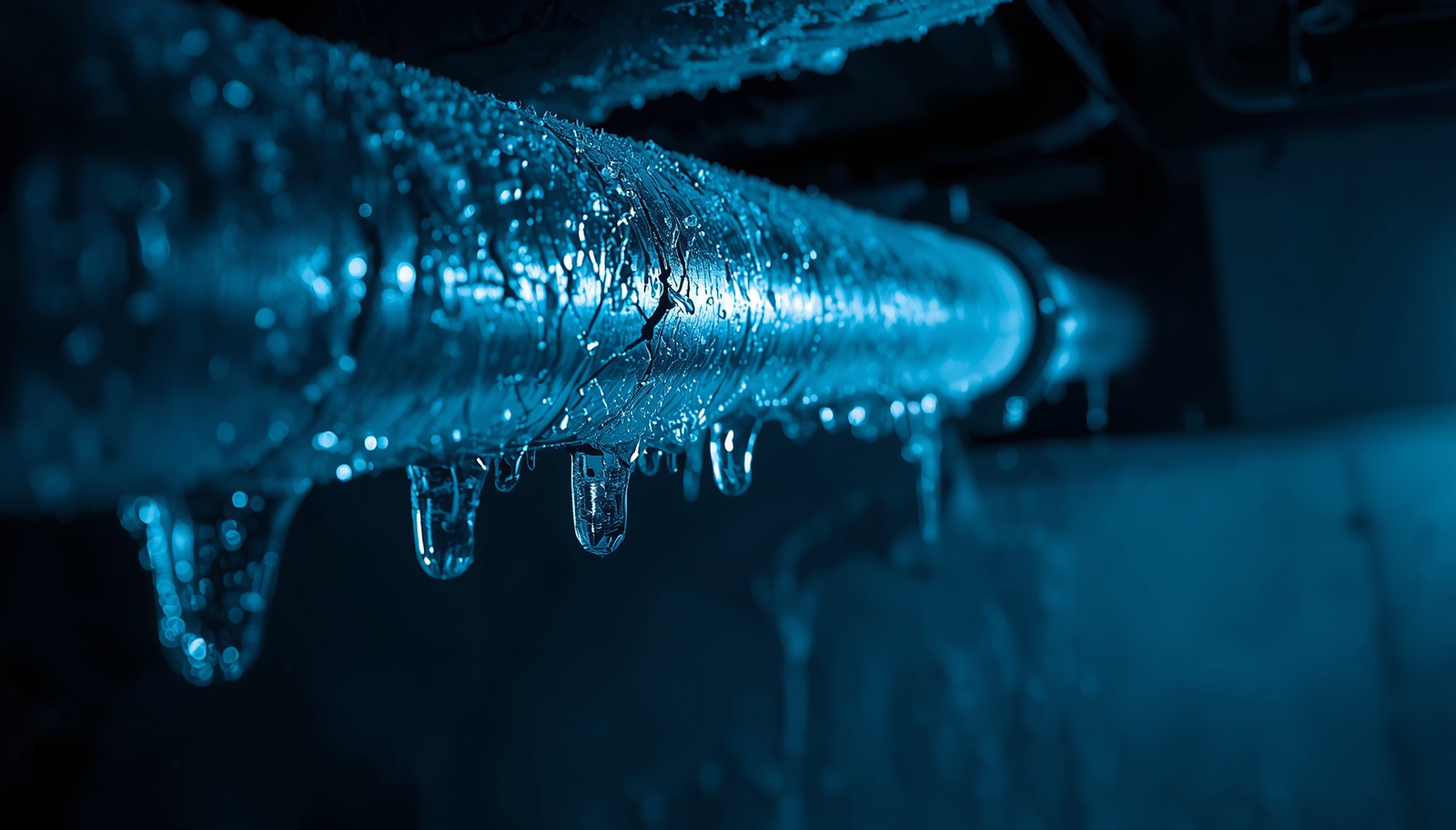
Plumbing leaks are a frequent cause of baseboard water damage. Leaky pipes, faucets, or plumbing fixtures can cause water to seep into walls and baseboards.
Over time, even small leaks can cause significant damage as the water accumulates and saturates the wood. This constant exposure weakens the baseboard material, leading to warping, staining, and mold growth.
Jersey City-specific concern: Many older homes throughout Jersey City, Hoboken, and Bayonne feature aging plumbing systems more susceptible to leaks. Original galvanized pipes and outdated fixtures common in historic Hudson County properties frequently develop slow leaks that damage baseboards before becoming noticeable.
2. Flooding and Water Intrusion
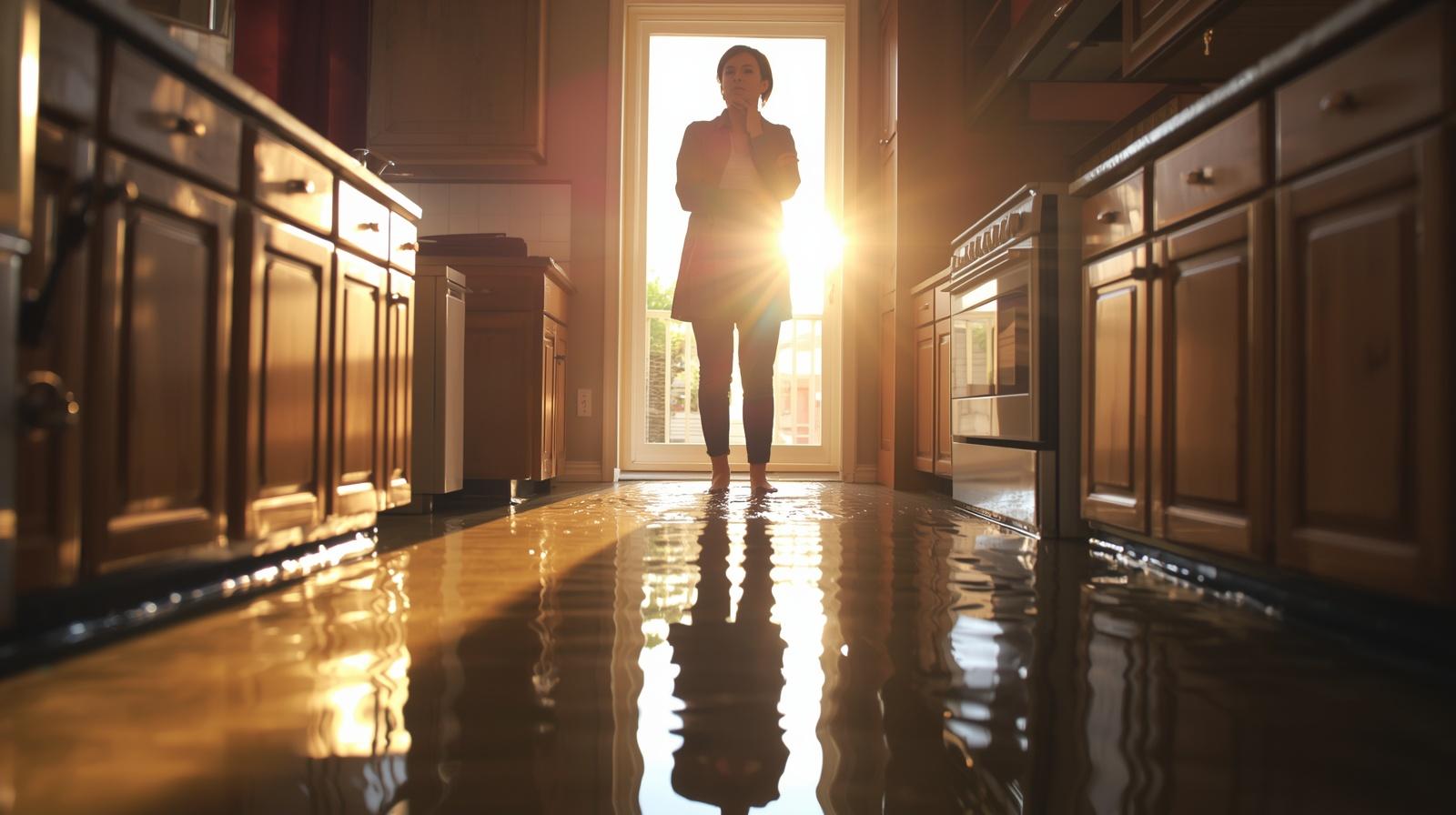
Heavy rainfall, natural disasters, or outdoor drainage issues can also cause significant damage to your home's baseboards. Water from these events can quickly spread and seep into your walls and baseboards. The longer it's left unaddressed, the more it can cause issues like warping, swelling, and mold.
Hudson County flooding risks: Jersey City's proximity to the Hudson River creates elevated flooding risks during coastal storms, nor'easters, and heavy rainfall events. Basement and ground-floor baseboards in low-lying areas face particular vulnerability during flooding events. Poor drainage around foundations common in older urban properties allows water to seep indoors, saturating baseboards.
3. Condensation and Humidity
When warm, moist air comes into contact with cooler surfaces, condensation forms, leading to dampness. This seemingly harmless moisture buildup can cause damage over time. Persistent dampness can penetrate baseboards, resulting in discoloration, peeling paint, and mold.
Bathrooms, kitchens, and basements are particularly susceptible to moisture buildup. Dehumidifiers and adequate ventilation in these areas can help manage indoor humidity levels and reduce the risk of damage.
New Jersey climate factors: New Jersey's humid summers create significant condensation problems in poorly ventilated spaces. Finished basements throughout Hudson County frequently experience baseboard damage from persistent humidity and condensation. Air conditioning systems running during summer can create temperature differentials causing condensation on exterior walls, affecting adjacent baseboards.
Signs of Water Damage on Baseboards
Here are five unmistakable signs that water has compromised your baseboards in your Jersey City or Hudson County home.
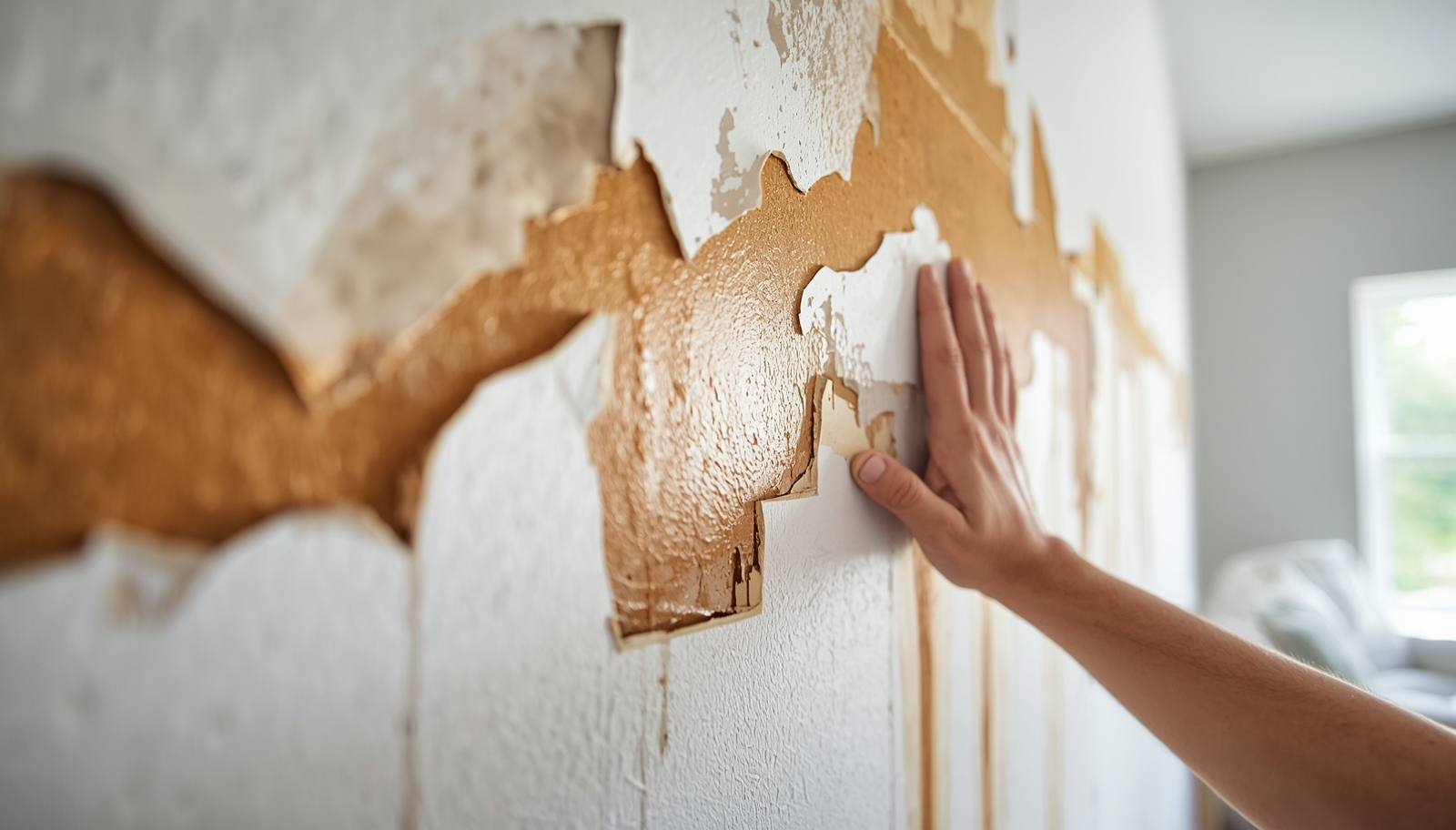
1. Peeling Paint
Water seeping into your baseboard can cause its paint to lose its adhesion. As a result, the paint may begin to bubble, crack, and peel away from the surface.
Paint peeling from your baseboards is often one of the first visible signs that water or moisture has found its way into your walls, compromising the integrity of the baseboard. If you notice this issue, it's crucial to inspect further for water damage to prevent future issues and make the necessary repairs.
Multiple layers of paint common on older Jersey City baseboards can mask early water damage. When paint begins peeling, underlying damage is often more extensive than visible symptoms suggest, requiring professional assessment.
2. Noticeable Stains
Unsightly stains on your baseboards are another telltale sign of baseboard water damage. These stains may appear as darker spots or discolored patches and can be caused by direct water contact or moisture wicking up from damp floors or carpets.
Even if the baseboard feels dry to the touch, stains indicate that water has been present at some point. If you see stains without an obvious cause, such as a spill, water damage could lurk behind the scenes.
Water stains often appear as yellow-brown discoloration along the bottom edge of baseboards where water accumulates. Staining patterns reveal water sources, horizontal staining suggests flooding or slab leaks, while vertical patterns indicate leaking pipes within walls.
3. Signs of Discoloration
In addition to noticeable stains, general discoloration of your baseboards may suggest long-term exposure to moisture. As water causes the wood to deteriorate, it also changes in appearance. The resulting discoloration can range from slightly darkening to pronounced yellow, brown, or gray hues.
Original wood baseboards in historic Hudson County homes show discoloration more readily than painted versions. Dark staining on natural wood baseboards indicates prolonged moisture exposure requiring immediate professional attention.
4. Warping and Unstable Wall Contact
When wood absorbs water, it expands and contracts, leading to warping. Unfortunately, warping is a sign that water or moisture has already severely affected the structure and functionality of your baseboards.
Warped baseboards may appear swollen, bowed, or uneven and feel spongy and less solid when pressed. They may also pull away from the wall, creating gaps that can compromise the stability of the baseboard and the wall it's attached to.
Severe damage indicator: Warped baseboards indicate substantial water exposure. Wood baseboards absorbing water swell and separate from walls, creating gaps allowing additional moisture entry. This creates a cycle of worsening damage requiring professional intervention and possible baseboard replacement.
5. Mold
Mold on your baseboards is a serious sign of water damage. As it thrives in moist conditions, its presence indicates that water has been available for fungi to grow and spread. It may appear as black, green, or white spots on the baseboard's surface. Mold also often has a musty odor, which can help you identify its presence.
If you notice mold, it's critical to address the moisture issue and remove the mold promptly, as it can pose health risks to you and your family. It can spread quickly, compromise your home's indoor air quality, and cause respiratory problems, making professional mold removal imperative.
New Jersey humidity factors: New Jersey's humid climate accelerates mold growth following baseboard water damage. Mold can colonize within 24-48 hours of water exposure in humid conditions. Visible mold on baseboards indicates hidden mold behind walls requiring comprehensive professional remediation.
Additional Warning Signs
Beyond the five main indicators, watch for these additional symptoms of baseboard water damage:
Soft or Spongy Texture: Press gently on baseboards checking for softness. Water-damaged wood loses structural integrity becoming spongy to touch.
Musty Odors: Persistent musty smells near baseboards indicate hidden moisture and potential mold growth even without visible signs.
Nail Pops: Nails or fasteners pushing out from baseboards suggest wood swelling from water absorption.
Cracking or Splitting: Wood baseboards experiencing repeated wetting and drying cycles develop cracks and splits requiring replacement.
Pest Activity: Termites and carpenter ants target water-damaged wood. Pest activity near baseboards suggests moisture problems.
Jersey City-Specific Baseboard Damage Considerations
Hudson County properties face unique baseboard water damage challenges:
Aging Infrastructure: Many Jersey City, Hoboken, and Bayonne homes feature original baseboards and plumbing systems making them particularly vulnerable to water damage.
Multi-Family Buildings: Apartments and multi-unit properties experience baseboard damage from leaks in adjacent units, shared plumbing failures, and HVAC condensation issues.
Historic Properties: Older homes with original millwork and vintage baseboards require specialized restoration preserving character while addressing water damage.
Basement Flooding: Ground-floor and basement baseboards throughout Hudson County face elevated risks from foundation leaks, sump pump failures, and seasonal flooding.
Urban Drainage: Dense urban development creates drainage challenges during heavy rain, causing water to pool against foundations and saturate baseboards.
What To Do After Discovering Water Damage on Your Baseboards
Discovering water damage on your baseboards may be distressing, but you don't have to tackle this problem alone. It's best to get help from water damage restoration professionals as soon as you notice the signs mentioned above. With their expertise, they can repair your baseboards correctly and efficiently so you can return to your routine as quickly as possible.
Immediate steps:
- Identify and stop the water source - Shut off leaking fixtures or call a plumber for pipe repairs
- Document the damage - Photograph all affected areas for insurance claims
- Remove standing water - Use towels or wet vacuums extracting visible water
- Contact professionals - Call 911 Restoration of Jersey City for comprehensive assessment and restoration
If you need help with water damage in your home, 911 Restoration of Jersey City is the name you can trust. Our IICRC-certified water damage restoration and mold remediation experts are ready to address the damage and any additional issues uncovered during the restoration process.
Our comprehensive baseboard water damage services include:
- 24/7 emergency response with guaranteed 45-minute arrival
- Professional moisture detection identifying hidden damage
- Complete water extraction and structural drying
- Mold inspection, testing, and remediation
- Baseboard repair or replacement coordination
- Wall cavity drying prevents hidden damage
- Plumbing leak detection and coordination with licensed plumbers
- Insurance claim documentation and support
Let our skilled team return your baseboards and your home to their original condition. We serve Jersey City, Hoboken, Bayonne, Kearny, Harrison, Newark, North Bergen, Secaucus, Weehawken, Union City, and all of Hudson County.
Call 911 Restoration of Jersey City today at 201-216-1112 and look forward to regaining a safe, dry home.
Latest Posts


Contact Us
For Advice
Need help? Talk to an expert
201-216-1112