
24Feb
What to Do After Water Damage: Essential Steps for Jersey City Property Owners
What to do after water damage strikes your property often determines the difference between quick recovery and devastating long-term problems. Whether facing burst pipes, flooding, roof leaks, or appliance failures throughout Jersey City, Hoboken, Bayonne, Kearny, Harrison, Newark, North Bergen, Secaucus, Weehawken, or Union City, the actions you take during the first 24-48 hours prove absolutely critical. Water damage worsens exponentially with every passing hour, spreading through building materials, creating mold growth conditions, and causing structural deterioration that transforms manageable situations into catastrophic losses requiring extensive repairs.
For immediate professional water damage restoration throughout Hudson County, contact 911 Restoration of Jersey City now at 201-216-1112 for 24/7 emergency response with a guaranteed 45-minute arrival time.
Understanding the Critical Nature of Immediate Action
Water damage creates cascading problems that accelerate rapidly when left unaddressed. Within the first hour, water begins penetrating porous materials including drywall, insulation, carpeting, and wood. By 24 hours, these materials become significantly saturated, structural weakening begins, and mold spores start colonizing damp surfaces. After 48 hours, mold growth accelerates dramatically, wood begins warping and swelling, metal components start corroding, and electrical systems face serious compromise.
Throughout Jersey City and Hudson County properties, these timelines prove particularly critical due to regional construction characteristics and climate factors. Older buildings often feature materials that absorb water readily, while seasonal humidity variations affect drying conditions substantially. Understanding this urgency helps property owners prioritize appropriate responses following any water damage incident.
Immediate Actions: First 30 Minutes After Discovery
The initial moments following water damage discovery require calm, decisive action prioritizing safety and damage limitation.
Step 1: Ensure Personal Safety First
Before entering water-damaged areas, assess potential hazards carefully. Never enter spaces with standing water if electrical power remains active. Electrocution risks prove deadly serious. When water levels exceed a few inches, contact emergency services immediately rather than entering independently. Structural damage may also create collapse risks, particularly in older Jersey City properties where construction methods and materials vary significantly.
If water originates from sewage systems, gray water sources like washing machines and dishwashers, or external flooding, contamination risks demand extreme caution. These Category 2 and Category 3 water sources contain dangerous pathogens requiring professional protective equipment for safe handling.
Step 2: Stop the Water Source
When possible and safe, immediately shut off water supply at the source. For burst pipes or plumbing failures, locate and close the nearest shutoff valve or main water supply. For appliance-related leaks, disconnect power and water supplies. For roof leaks during ongoing storms, temporary tarping may prove necessary once conditions permit safe access.
Throughout Jersey City, Hoboken, and other Hudson County communities, knowing main shutoff valve locations proves essential for all household members. These valves typically appear near water meters, where main lines enter properties, or in basements. Taking time to identify and label these locations before emergencies occur saves precious minutes when disasters strike.
Step 3: Document Everything Comprehensively
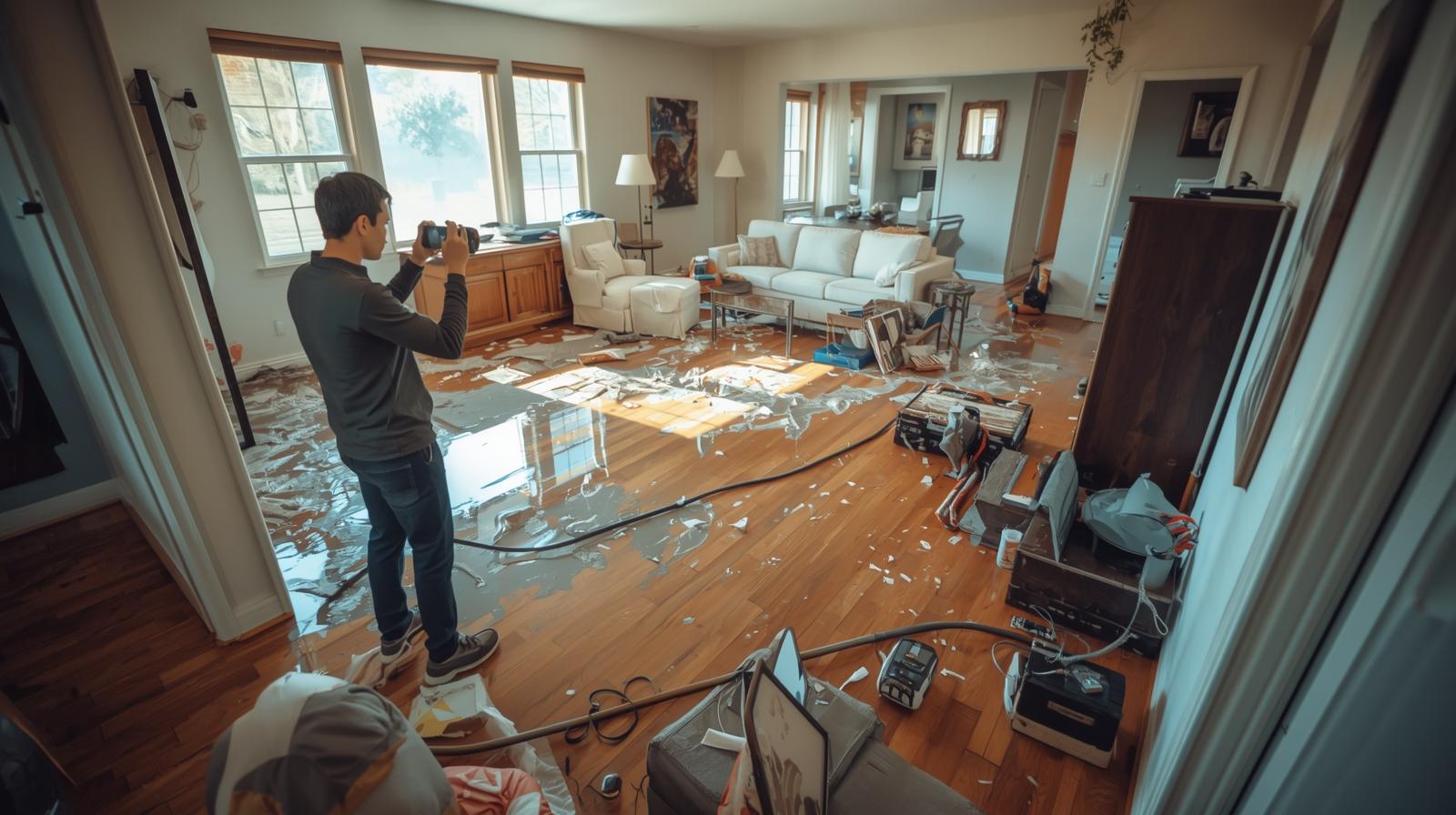
Before moving or removing any items, thoroughly document all damage using photographs and videos from multiple angles. Capture water levels, ceiling damage, wall staining, flooring damage, and affected contents. This documentation proves essential for insurance claims, helping adjusters understand damage extent and supporting appropriate settlement amounts.
Document systematically by photographing each affected room from multiple positions, capturing close-ups of specific damage, and recording video walkthroughs narrating observations. Note dates, times, and damage descriptions. This comprehensive documentation protects your financial interests throughout the claims process.
Step 4: Contact Your Insurance Provider
Report water damage to your insurance company as quickly as possible, ideally within hours of discovery. Most policies require prompt notification, and delays can complicate claims or potentially affect coverage. Provide your agent or claims department with initial damage documentation and ask about immediate mitigation requirements, coverage questions, and recommended next steps.
Insurance policies often require property owners to take reasonable steps preventing additional damage. This means addressing obvious problems like covering roof leaks or shutting off water supplies. 911 Restoration of Jersey City works directly with insurance companies throughout the claims process, providing detailed documentation supporting appropriate settlements.
Step 5: Call Professional Water Damage Restoration Services
Even when water damage appears limited, professional assessment proves invaluable. Hidden moisture accumulation within walls, floors, and structural cavities creates serious long-term problems invisible during initial inspections. Professional restoration companies deploy moisture detection equipment, industrial extraction systems, and commercial drying technology preventing progressive damage and mold development.
911 Restoration of Jersey City provides 24/7 emergency response throughout Hudson County with a guaranteed 45-minute arrival time. Our certified technicians assess damage extent, deploy appropriate equipment, and begin restoration immediately, minimizing total damage and associated costs.
Critical Actions: Hours 1-24 After Water Damage
Following immediate safety measures and professional notification, several additional steps help minimize ongoing damage during the critical first day.
Remove Standing Water
If safe and feasible, begin removing standing water using mops, towels, wet vacuums, or buckets. Every gallon removed reduces absorption into building materials and accelerates overall drying. However, never attempt removal when electrical hazards exist, contamination risks are present, or water volumes exceed safe DIY capabilities. Professional extraction equipment removes water far more efficiently while protecting your safety.
Extract Water from Carpeting and Upholstery
Use towels to blot carpeting and upholstered furniture, pressing firmly to extract absorbed moisture. Avoid scrubbing or rubbing, which can damage fibers and spread contamination. For valuable carpeting or extensive saturation, professional cleaning and restoration prove essential for preventing mold growth and preserving materials.
Elevate Furniture Off Wet Flooring
Place aluminum foil squares, plastic cups, or wooden blocks under furniture legs remaining on damp flooring or carpeting. This prevents moisture wicking into furniture, reduces wood staining risks, and promotes air circulation beneath items.
Remove Wet Contents to Dry Areas
Move undamaged contents, important documents, electronics, and valuable items to dry areas. Prioritize irreplaceable items including photographs, important papers, heirlooms, and electronics. Handle wet electronics carefully, never attempting to power them on before professional inspection and drying.
Promote Air Circulation
Open windows and doors when outdoor conditions permit (avoiding rainy or extremely humid periods). Position fans throughout affected areas directing airflow across wet surfaces. Open closet doors, cabinet doors, and interior doors promoting circulation throughout the property. However, never operate electrical equipment in standing water or when outlets appear wet.
Begin Monitoring for Mold
Check affected areas regularly for mold development signs including musty odors, visible growth, or discoloration. Mold colonization can begin within 24-48 hours, making vigilant monitoring essential during initial recovery periods.
Days 2-7: Professional Restoration and Monitoring
Professional restoration services become increasingly important as water damage recovery progresses beyond immediate emergency response.
Professional Water Extraction and Drying
Restoration companies deploy truck-mounted extraction systems removing water far more effectively than consumer equipment. Following extraction, industrial dehumidifiers and commercial air movers operate continuously for 3-7 days depending on damage severity, materials affected, and ambient conditions.
Throughout New Jersey's variable climate, professional drying proves particularly valuable. Summer humidity, spring moisture, and coastal humidity in Hudson County all complicate natural drying, making commercial equipment essential for thorough moisture removal.
Moisture Detection and Monitoring
Restoration professionals utilize thermal imaging cameras and moisture meters creating detailed moisture distribution maps throughout affected areas. Daily monitoring tracks drying progress, identifies hidden moisture accumulation, and ensures complete structural drying before restoration completion.
These technologies prove especially valuable in older Jersey City construction where hidden cavities, dense materials, and complex framing can trap moisture invisibly. Without professional detection, hidden moisture causes progressive damage, mold growth, and structural deterioration appearing months after initial water damage.
Antimicrobial Treatment Application
When water damage involves contaminated sources or when conditions favor mold development, professional antimicrobial treatments prevent colonization. These applications prove particularly important in basement water damage, sewage backups, and flooding incidents common throughout Hudson County during storm events.
Structural Assessment and Repairs
Water damage often compromises structural materials requiring repair or replacement. Drywall exposed to clean water for extended periods typically requires replacement. Wood framing showing signs of warping, weakness, or mold growth may need replacement. Flooring materials often suffer irreversible damage requiring removal and reinstallation.
Professional restoration companies coordinate necessary repairs, working with qualified contractors ensuring complete property recovery. This comprehensive approach prevents ongoing problems and restores properties to pre-loss condition safely and effectively.
Jersey City-Specific Water Damage Considerations
Properties throughout Hudson County face distinctive water damage challenges and recovery considerations related to regional characteristics.
Winter Freeze-Related Water Damage
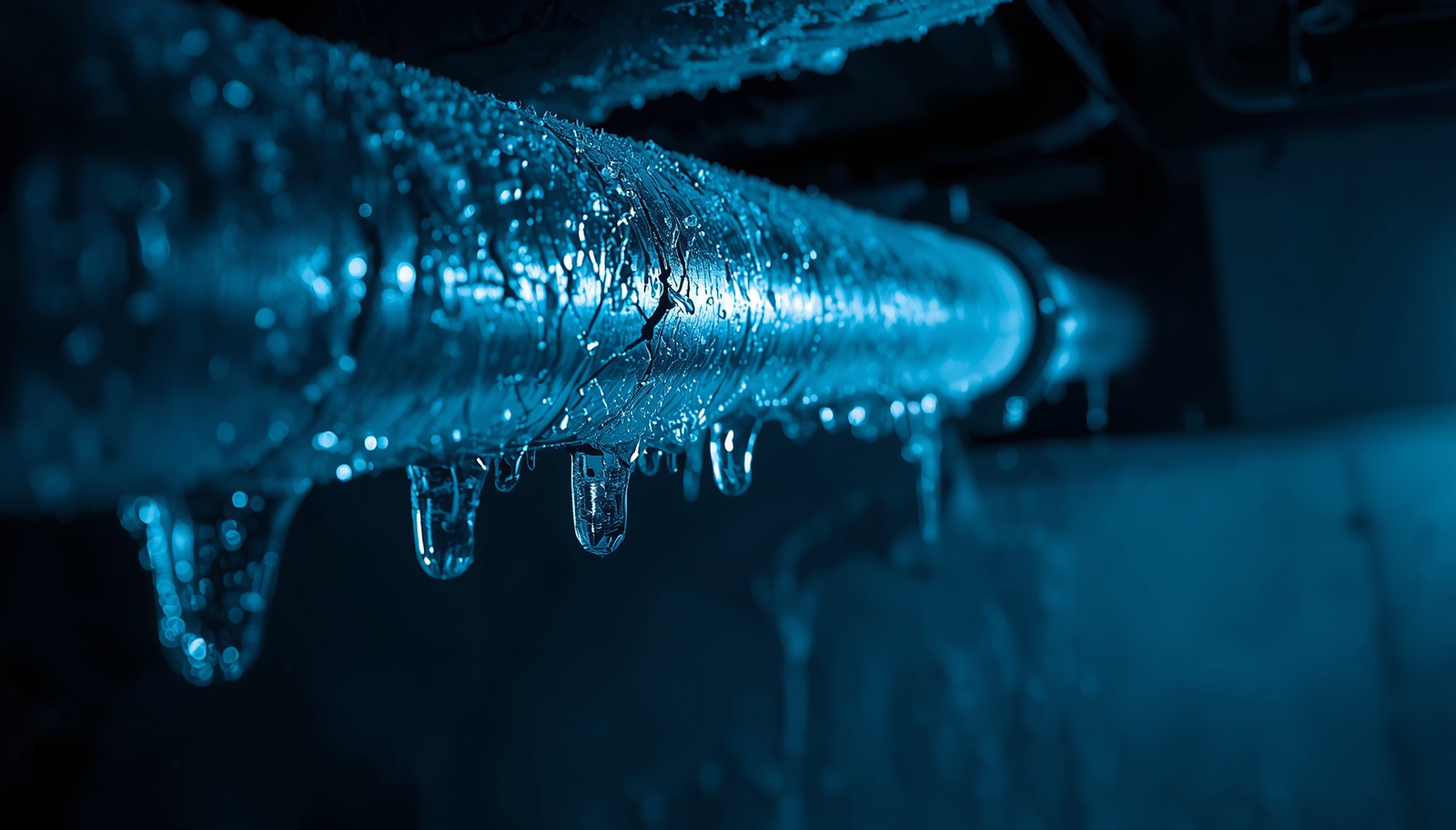
Burst pipes from winter freezing create unique recovery challenges. Frozen sections may temporarily block water flow, then release substantial volumes during thawing. This delayed flooding can occur hours or days after initial pipe failure, catching property owners unprepared. Additionally, frozen ground prevents proper drainage, creating foundation water intrusion risks during spring thaw periods.
Basement Water Damage in Older Properties
Many Jersey City homes feature basements with limited waterproofing, aging foundation materials, and high water tables. Basement water damage requires specialized attention including foundation assessment, waterproofing evaluation, and mold prevention protocols. Finished basements with carpeting, drywall, and furnishings face particularly extensive damage from flooding incidents.
Historic Construction Challenges
Older properties throughout Jersey City, Hoboken, Bayonne, and surrounding communities often feature construction materials and methods complicating water damage restoration. Plaster walls, original wood flooring, and complex framing require specialized drying approaches preventing damage to historic materials while achieving thorough moisture removal.
Storm and Nor'easter Damage
Properties throughout Hudson County face elevated storm surge and flooding risks during nor'easters and coastal storm events. Heavy rainfall combined with aging drainage systems creates significant water intrusion concerns requiring specialized cleanup and treatment.
What NOT to Do After Water Damage
Understanding incorrect responses helps property owners avoid compounding initial damage with well-intentioned but counterproductive actions.
Don't Delay Professional Help
Every hour of delay increases damage extent, mold risks, and total restoration costs. Professional assessment and intervention within the first 24 hours dramatically improves outcomes and reduces expenses. Even apparently minor water damage can hide serious moisture accumulation requiring professional equipment and expertise for proper resolution.
Don't Use Household Vacuums on Standing Water
Standard household vacuum cleaners lack waterproofing and using them on standing water creates serious electrocution risks and equipment damage. Only shop vacuums rated for wet use prove safe for water removal, and even these provide far inferior extraction compared to professional equipment.
Don't Assume Visible Drying Means Complete Drying
Surface drying doesn't indicate thorough moisture removal from underlying materials. Water penetrates deep into walls, floors, and structural cavities, remaining invisible while causing progressive damage. Professional moisture detection equipment proves essential for verifying complete drying.
Don't Paint or Repair Before Complete Drying
Covering water-damaged surfaces with new paint or materials before achieving complete dryness traps moisture, guaranteeing mold development and material deterioration. Professional verification of adequate drying proves essential before beginning any repairs or restoration work.
Don't Remove Standing Water Near Electrical Systems
Never attempt water removal near electrical panels, outlets, or appliances without first shutting off power at the main breaker. Electrocution risks prove deadly serious, and professional assistance ensures safe handling of these dangerous situations.
Insurance Claim Process: What to Expect
Understanding typical insurance claim processes helps property owners navigate water damage recovery more effectively.
Initial Claim Filing
Report water damage to your insurance company immediately, providing basic incident details, estimated damage extent, and initial documentation. Most insurers assign adjusters within 24-48 hours who contact you to schedule property inspections.
Adjuster Inspection
Insurance adjusters visit properties assessing damage extent and determining coverage applicability. They examine affected areas, review documentation, and estimate repair costs. Having comprehensive photo and video documentation proves valuable during these inspections.
Restoration Company Coordination
Professional restoration companies like 911 Restoration of Jersey City work directly with insurance adjusters, providing detailed damage assessments, moisture detection reports, equipment deployment documentation, and progress updates. This coordination streamlines claims processing and helps ensure appropriate settlements covering complete restoration.
Settlement and Payment
Following adjustment completion, insurers issue settlement offers covering approved repairs and restoration work. Payment structures vary by policy and insurer, with some providing direct payments to restoration companies and others reimbursing property owners. Understanding your policy provisions before damage occurs helps set appropriate expectations during stressful recovery periods.
Why Choose 911 Restoration of Jersey City
When water damage strikes throughout Hudson County, choosing experienced local restoration specialists makes tremendous difference in recovery outcomes and costs.
Our Comprehensive Water Damage Services Include:
24/7 Emergency Response: Round-the-clock availability with a guaranteed 45-minute response time throughout Jersey City, Hoboken, Bayonne, Kearny, Harrison, Newark, North Bergen, Secaucus, Weehawken, and Union City
Advanced Water Extraction: Truck-mounted and portable extraction systems removing standing water rapidly and efficiently
Industrial Structural Drying: Commercial dehumidifiers and air movers operating continuously until moisture levels normalize completely
Moisture Detection Technology: Thermal imaging and moisture meters identifying hidden water accumulation throughout structures
Mold Prevention Protocols: Antimicrobial treatments and rapid drying preventing mold colonization following water damage
Complete Restoration Services: Comprehensive repairs from minor drywall replacement through major reconstruction projects
Insurance Coordination: Direct communication with insurers, detailed documentation, and settlement advocacy supporting appropriate claim resolutions
IICRC Certification: Industry-certified technicians following professional standards and best practices throughout restoration processes
When water damage threatens your Jersey City property, immediate professional response protects your investment and minimizes total recovery costs.
Frequently Asked Questions About Water Damage Response
1. How quickly should I respond to water damage?
Immediately. Every hour of delay increases damage extent, mold risks, and total restoration costs. Contact professional restoration services within the first 24 hours for optimal outcomes. Even apparently minor water damage requires prompt attention preventing hidden moisture accumulation and progressive deterioration.
2. Can I handle water damage cleanup myself?
Small, clean water incidents affecting limited areas may potentially be addressed through DIY methods, but most water damage requires professional equipment and expertise. Hidden moisture, inadequate drying, and mold risks make professional restoration the safer, more effective choice for significant water damage incidents.
3. How long does water damage restoration take?
Timelines vary based on damage extent, materials affected, and ambient conditions. Typical restoration requires 3-7 days for complete structural drying, followed by repair periods ranging from days to weeks depending on reconstruction needs. Professional assessment provides accurate timeline estimates based on your specific situation.
4. Will my insurance cover water damage restoration?
Coverage depends on damage causes and your specific policy provisions. Most homeowners insurance covers sudden, accidental water damage from sources like burst pipes, appliance failures, and storm damage. Flooding from external sources typically requires separate flood insurance. Long-term leaks, maintenance neglect, and gradual damage often face coverage exclusions. Review your policy and contact your insurance provider immediately following any water damage.
5. When does mold start growing after water damage?
Mold colonization can begin within 24-48 hours following water exposure when adequate moisture and organic materials are present. This extremely short timeframe makes rapid drying and professional restoration critically important for preventing mold problems following water damage incidents.
6. What's the difference between water damage categories?
Water damage classification includes three categories based on contamination levels. Category 1 (clean water) originates from sanitary sources like supply lines and rainwater. Category 2 (gray water) contains some contamination from sources like washing machines and dishwashers. Category 3 (black water) includes dangerous pathogens from sewage, flooding, or long-standing water. Category 2 and 3 water require specialized handling and safety protocols.
7. Should I turn off electricity after water damage?
Yes, when standing water exists or electrical components appear wet, shut off power at the main breaker immediately. Never enter areas with standing water while electricity remains active. If you cannot safely access electrical panels, contact emergency services for assistance.
Protect Your Jersey City Property After Water Damage
Understanding what to do after water damage strikes helps property owners throughout Hudson County respond effectively, minimizing damage extent and protecting their investments. While the immediate aftermath of water damage creates stress and uncertainty, following proper response protocols and securing professional restoration services dramatically improves outcomes and reduces total recovery costs.
Water damage worsens exponentially without prompt intervention, making immediate action essential. From ensuring safety and documenting damage through professional restoration and insurance coordination, each step contributes to successful recovery. Property owners who respond decisively, contact professional restoration services quickly, and follow proper protocols consistently achieve better results with lower total costs than those who delay or attempt inadequate DIY approaches.
911 Restoration of Jersey City provides comprehensive water damage restoration services throughout Hudson County. Our certified technicians respond within 45 minutes to emergencies 24/7, deploying state-of-the-art equipment and following industry-standard protocols ensuring complete, safe restoration.
Don't let water damage destroy your property value or create long-term problems threatening your family's health and safety. Contact 911 Restoration of Jersey City immediately at 201-216-1112 for professional water damage restoration services available around the clock throughout Hudson County.
Latest Posts


Contact Us
For Advice
Need help? Talk to an expert
201-216-1112