

17Feb
Do Frozen Pipes Always Burst?
Do frozen pipes always burst? Not always, but when they do, the damage can be extensive and costly. In Jersey City and throughout Hudson County, harsh winter temperatures can freeze water inside your plumbing, increasing pressure and creating cracks that can flood your home. Understanding why pipes freeze, what causes them to burst, and how to prevent water damage is key to protecting your property.
If you suspect a frozen or burst pipe, contact 911 Restoration of Jersey City at 201-216-1112 for fast, local water restoration service with a guaranteed 45-minute response time.
Why Frozen Pipes Don't Always Burst
It's a common misconception that frozen pipes automatically mean disaster. While freezing water does expand inside your plumbing, not every frozen section will lead to a rupture. The likelihood of bursting depends on several factors:
1. Pipe Material
Metal pipes like copper or galvanized steel are rigid and more prone to cracking when pressure builds. Plastic pipes, especially PEX, have a bit of flexibility that allows them to expand without breaking. Homes built or remodeled in recent years often include PEX plumbing for this reason.
2. Location of the Pipe
Pipes in unheated or poorly insulated areas, such as basements, crawl spaces, attics, exterior walls, or garages, are far more likely to freeze. In Jersey City homes, from older brownstones to multi-family properties in Hoboken and Bayonne, even a single night below freezing can affect these vulnerable areas.
3. Degree and Duration of Freezing
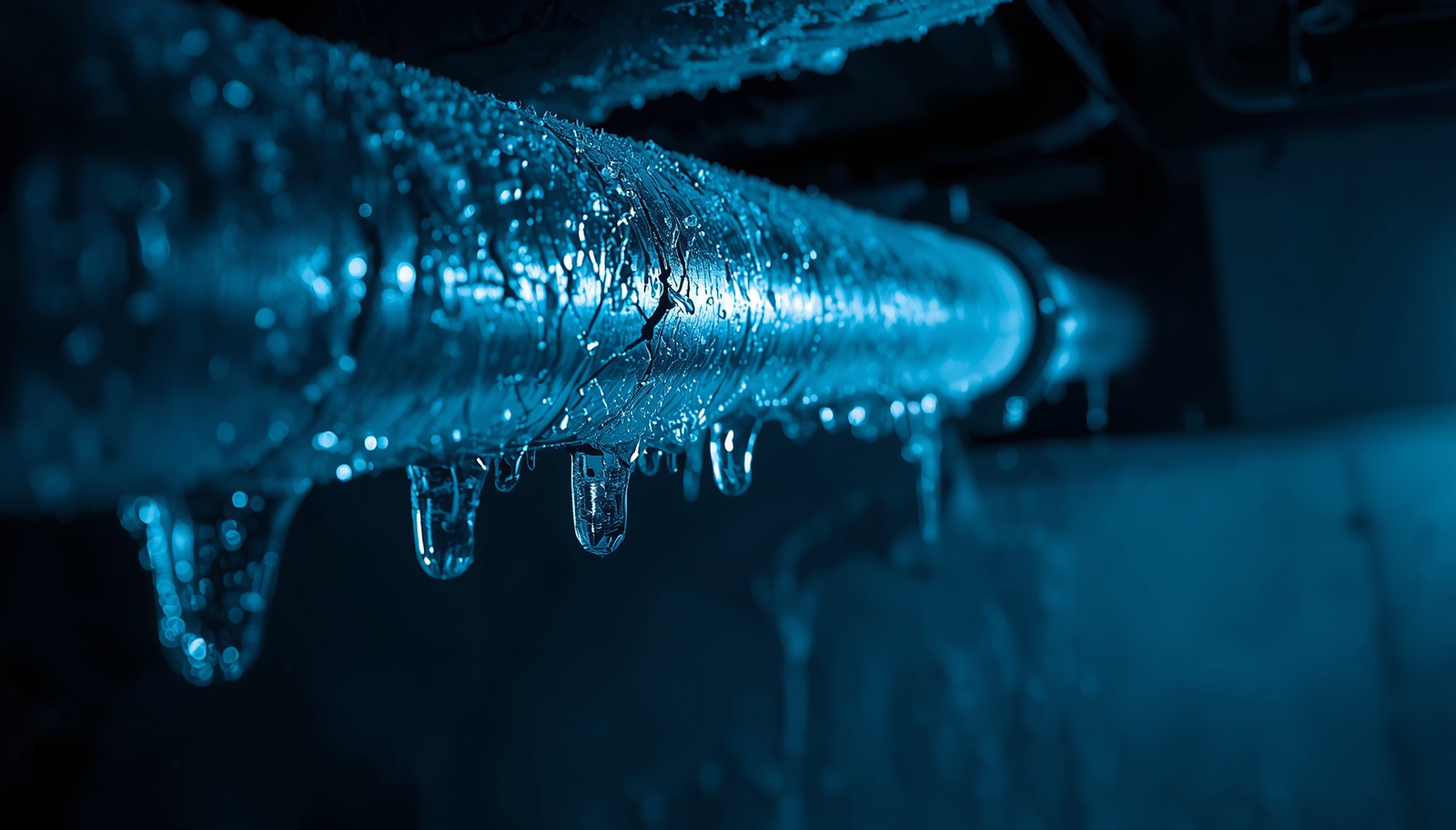
A brief frost might only create minor ice buildup, but several hours below 32°F can cause water to freeze solid. The longer the freeze, the greater the internal pressure building inside the pipe.
4. Pressure Relief
If a faucet or valve is open, the expanding ice may have room to push excess pressure out, preventing a burst. But when all outlets are closed, trapped pressure increases dramatically, often leading to a split or rupture once thawing begins.
The bottom line: frozen pipes don't always burst, but the risk is serious. Prevention and quick response are the best ways to avoid costly water damage.
The Hidden Dangers of Frozen Pipes in Jersey City
Even if a frozen pipe doesn't burst immediately, that doesn't mean you're in the clear. Many homeowners discover damage after the ice begins to thaw. As temperatures rise, water flows back through the pipe and escapes through small cracks caused by earlier pressure. These leaks may start slowly but can cause major damage over time.
Signs You May Have a Frozen or Leaking Pipe
- A sudden drop in water pressure
- Discolored water or air sputtering from faucets
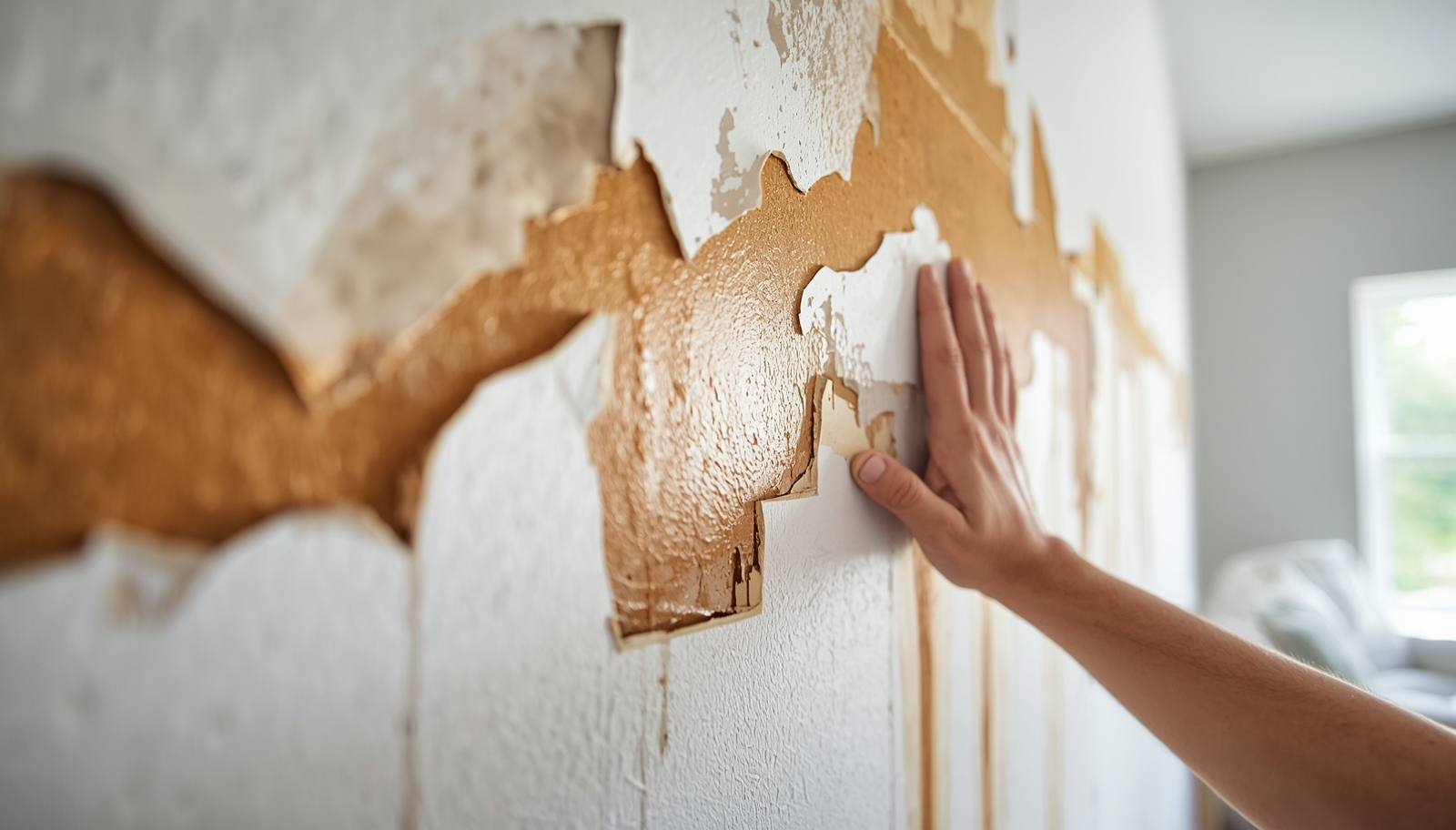
- Water stains or bubbling paint on walls and ceilings
- Damp or musty odors indicating hidden leaks
- Unusual sounds like dripping, gurgling, or hissing
In Jersey City, recurring winter freeze events make frozen pipe damage a consistent concern. Homeowners in older buildings across Jersey City, Hoboken, Bayonne, Kearny, and Harrison may not notice signs until it's too late. Unfortunately, once water escapes, it can saturate drywall, flooring, and insulation, creating perfect conditions for mold growth within 24 to 48 hours.
At 911 Restoration of Jersey City, we specialize in water damage and mold restoration. Our certified team quickly locates leaks, removes standing water, and dries affected areas before secondary damage sets in. Whether the source is a burst pipe or slow leak, our mission is to restore your property safely and efficiently.
How to Prevent Frozen Pipes from Bursting
Prevention is simple, effective, and much less expensive than repairs. Here are expert tips from 911 Restoration of Jersey City to help Hudson County homeowners protect their plumbing during harsh winter months.
1. Insulate Exposed Pipes
Use foam insulation or heat tape on pipes in basements, crawl spaces, or attics. Focus on areas near exterior walls or vents where cold air can enter.
2. Keep Indoor Temperatures Stable
Even when you're away, keep your thermostat set to at least 55°F. Consistent warmth prevents pipes inside walls and cabinets from dropping to freezing levels.
3. Allow Air Circulation
Open cabinet doors under sinks to let warm air circulate around pipes. This is especially useful during a cold night when temperatures dip suddenly throughout Jersey City.
4. Let Faucets Drip
Running water, even just a trickle, helps prevent pressure buildup and ice formation. Aim to let faucets on exterior walls drip slightly during cold snaps.
5. Seal Drafts and Openings
Inspect your home for gaps or cracks around vents, windows, and foundations. Use caulk or weatherstripping to seal openings where cold air enters.
6. Disconnect Outdoor Hoses
Drain and disconnect hoses before winter. Water left inside exterior spigots can freeze and back up into indoor pipes.
These small preventive steps can significantly reduce the risk of frozen or burst pipes, saving you the stress and cost of water restoration.
If you do suspect a frozen section, never use open flames or torches to thaw pipes. This can cause fires or pipe damage. Instead, apply gentle heat with a hair dryer, heat lamp, or warm towels. If the situation seems severe, call a licensed professional right away.
What to Do If a Frozen Pipe Bursts
When a pipe bursts, time is your most valuable resource. Water can spread quickly, damaging floors, walls, and electrical systems. The sooner you respond, the better your chances of minimizing damage and preventing mold growth.
Step 1: Shut Off Your Main Water Supply
Locate your home's main shut-off valve and turn it off immediately. If you're unsure where it is, check near your water meter or where the main line enters your home.
Step 2: Turn Off Electricity in Affected Areas
If water is near outlets or appliances, cut power to that area from your breaker box to avoid electrical hazards.
Step 3: Drain Remaining Water
Open all faucets to relieve pressure and let water drain. This prevents additional leaks when temperatures rise.
Step 4: Document the Damage
Take photos and notes for your insurance provider. Proper documentation can speed up claims and ensure coverage for restoration services.
Step 5: Call a Professional Water Damage Team
Even if you've stopped the flow, hidden moisture can cause long-term issues. 911 Restoration of Jersey City offers 24/7 emergency water removal, drying, and mold remediation. Our experts use industrial-grade dehumidifiers, air movers, and moisture meters to fully restore your property.
We don't just clean up the mess. We protect your home's structure, air quality, and peace of mind.
Do Frozen Pipes Always Burst Near Me in Jersey City, NJ?
If you're searching for answers about "do frozen pipes always burst near me," the reality depends on your home's insulation, location, and plumbing system. In Jersey City, NJ, homes can experience pipe freezes whenever temperatures drop below freezing, especially during prolonged cold spells. Areas across Hudson County including Hoboken, Bayonne, Kearny, Harrison, Newark, North Bergen, Secaucus, Weehawken, and Union City all face consistent winter freeze risks in basements, attics, or exterior walls.
When pipes freeze, they don't always burst, but if they do, the results can be severe. Acting quickly is critical. 911 Restoration of Jersey City provides fast and reliable water damage cleanup and mold remediation across Hudson County. Our certified restoration experts are local, fully equipped, and available 24/7 with a guaranteed 45-minute response to minimize damage and restore your property safely.
If you're searching "frozen pipe repair near me" or "water damage cleanup near me," trust the local experts who know how to protect homes during New Jersey's harsh winters.
FAQs About Frozen Pipes and Water Damage
1. Can pipes freeze in Jersey City?
Yes. Jersey City experiences consistent freezing temperatures throughout winter, and uninsulated or exterior pipes in older buildings are especially vulnerable to freezing and bursting.
2. How can I tell if my pipes are frozen?
If water stops flowing or comes out in a trickle, that's a red flag. Frost on exposed pipes, bulging sections, or strange gurgling sounds are also signs of a freeze.
3. What should I do if I find a frozen pipe?
Turn off your main water supply and gently warm the pipe using a hair dryer or warm towels. Avoid using open flames or space heaters. If the pipe cracks or you're unsure, call a professional immediately at 201-216-1112.
4. How fast can mold grow after a burst pipe?
Mold can start developing in as little as 24 to 48 hours. That's why professional drying and dehumidification are critical right after water damage occurs.
5. Can frozen pipes burst even after they thaw?
Yes. When ice inside a pipe melts, it can expose cracks or weak points caused by pressure buildup. A pipe may appear fine during freezing but leak once temperatures rise.
Protect Your Home Before It's Too Late
In Jersey City and Hudson County, frozen pipes are a consistent winter concern. When they burst, the damage can be devastating. A single burst pipe can release thousands of gallons of water into your home in just hours, damaging drywall, flooring, and furniture while creating ideal conditions for mold.
By taking preventive steps, staying alert during cold weather, and knowing who to call for help, you can safeguard your home against these winter hazards.
At 911 Restoration of Jersey City, we provide trusted water, mold, and fire restoration services throughout Hudson County. Our experienced team responds within 45 minutes to emergencies, using state-of-the-art equipment to dry, clean, and restore your property to pre-damage condition.
Don't wait for a minor leak to become a disaster. Contact 911 Restoration of Jersey City today at 201-216-1112 to schedule expert water restoration and mold inspection services available 24/7.
Latest Posts


Contact Us
For Advice
Need help? Talk to an expert
201-216-1112