
10Feb
How Do I Clean Smoke Damage? Essential Information for Jersey City Property Owners
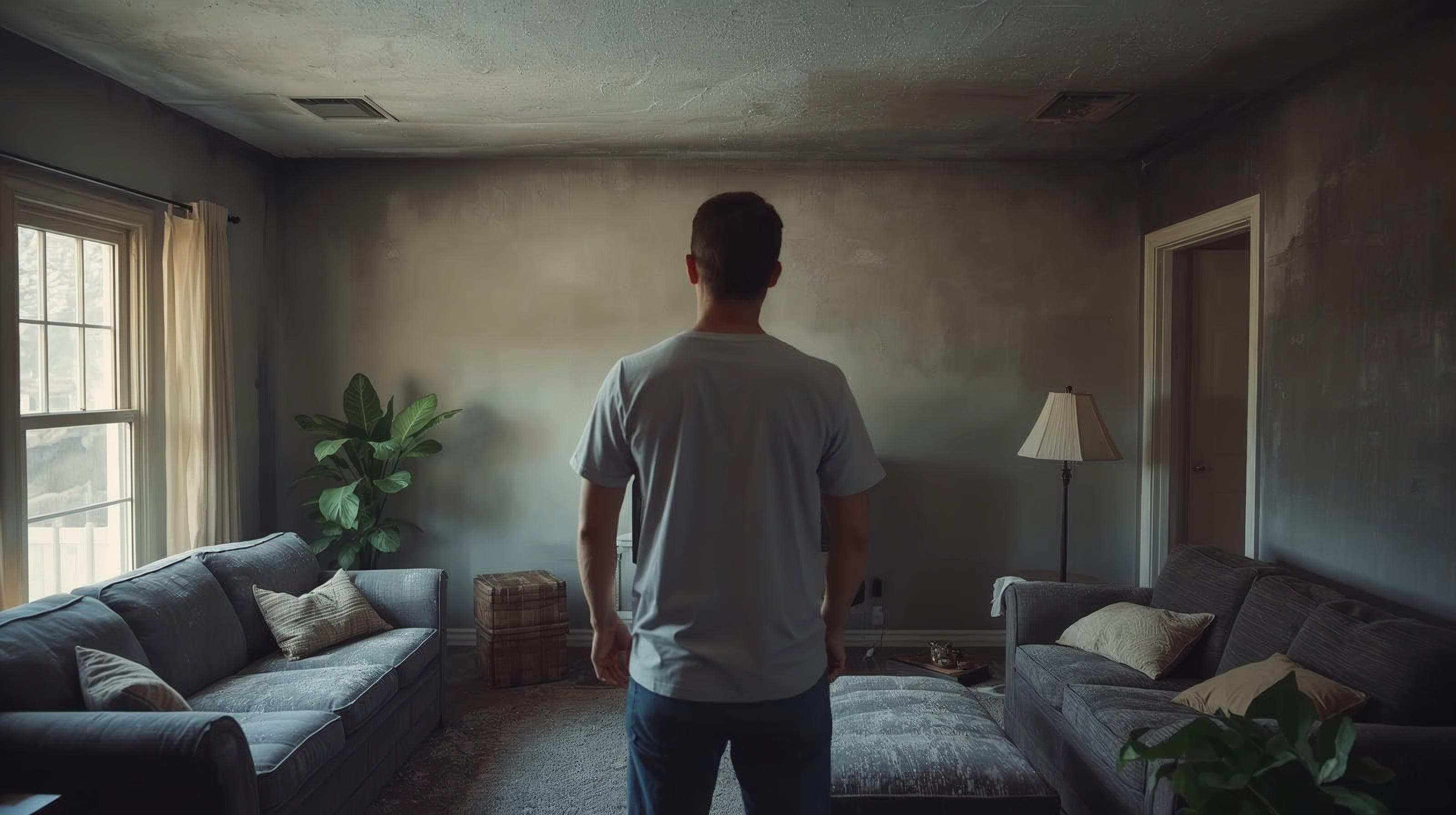
When you're wondering how do I clean smoke damage after experiencing a fire, understanding the serious health risks and technical complexity involved is critical before attempting any cleanup. Smoke damage penetrates far deeper than visible soot, infiltrating building materials, ventilation systems, and personal belongings while depositing toxic residues and persistent odors that demand professional remediation expertise. Whether facing damage from structure fires, kitchen fires, electrical fires, or a neighboring property fire, smoke contamination creates immediate health dangers and causes ongoing deterioration without proper treatment.
Property owners throughout Jersey City, Hoboken, Bayonne, Kearny, Harrison, Newark, North Bergen, Secaucus, Weehawken, Union City, and surrounding Hudson County communities face particular smoke damage challenges due to the region's dense urban housing, aging building stock, and multi-family property risks.
Dealing with smoke damage in your Jersey City property? Contact911 Restoration of Jersey City immediately at 201-216-1112 for professional fire and smoke damage restoration services available 24/7.
The Hidden Complexity of Smoke Damage
Smoke damage involves far more than the obvious black soot visible on walls and ceilings. When materials combust, they release complex chemical compounds that penetrate every surface and porous material. These compounds include acids, toxic substances, and corrosive elements that continue damaging materials weeks after fire extinguishment.
Different combustion sources create distinct smoke damage characteristics. Protein smoke from cooking produces nearly invisible residues with persistent odors. Fires involving synthetic materials generate thick, sticky soot. Natural material combustion creates dry, powdery ash. Each smoke type demands specific cleaning methods tailored to the material and residue involved.
Smoke travels along air currents throughout buildings, depositing residues in areas far removed from actual fire locations. HVAC systems distribute microscopic smoke particles to every room. Even rooms appearing completely unaffected typically contain significant smoke contamination that requires professional assessment.
The acidic composition of smoke residues means they actively corrode and deteriorate surfaces over time. Metal surfaces develop corrosion, fabrics disintegrate, wood finishes degrade, and painted surfaces discolor, all continuing long after the fire itself has been extinguished.
Serious Health Risks from Smoke Exposure
Smoke residues contain numerous toxic compounds posing severe health risks. Carbon monoxide, formaldehyde, benzene, and various carcinogens exist in smoke particles and remain present in residues coating property surfaces long after the fire is out.
Breathing smoke-contaminated air causes respiratory irritation, persistent coughing, and breathing difficulties even days or weeks following fires. Individuals with asthma, chronic obstructive pulmonary disease, or other respiratory conditions face dramatically heightened risks. Children and elderly individuals demonstrate particular vulnerability to smoke residue exposure.
Direct skin contact with smoke residues causes irritation, rashes, and toxic compound absorption. Many homeowners attempting DIY cleanup experience adverse skin reactions from handling contaminated materials without proper protection.
Professional restoration technicians utilize specialized protective equipment including respirators, protective gloves, and full-body suits that typical homeowners don't possess, ensuring safe handling throughout the entire restoration process.
Why Professional Smoke Damage Restoration Cannot Be Replaced
Professionalfire and smoke damage restoration requires specialized knowledge, industrial equipment, and commercial-grade products ensuring thorough cleaning while preventing long-term complications. Attempting DIY smoke cleanup typically results in incomplete remediation and persistent problems that cost more to fix later.
Professional Restoration Advantages:
Industrial air scrubbers with HEPA filtration removing airborne smoke particles
Thermal fogging and ozone treatment eliminating deep-seated molecular odors
Specialized cleaning agents formulated for different smoke types and material surfaces
Ultrasonic cleaning technology for delicate items and electronic equipment
Complete HVAC system cleaning preventing ongoing contamination distribution
Structural cleaning accessing hidden areas where smoke has penetrated
Professional content pack-out and climate-controlled storage during restoration
Comprehensive documentation supporting insurance claim requirements
Professional restoration companies understand which items can be salvaged through proper cleaning techniques versus which require disposal due to irreversible contamination. This expertise prevents unnecessary disposal expenses while ensuring genuinely contaminated items don't remain causing ongoing problems.
911 Restoration of Jersey City provides comprehensive smoke damage restoration throughout Hudson County, combining advanced equipment with proven techniques that eliminate smoke contamination and restore properties to pre-loss condition.
Items Requiring Professional Handling or Disposal
Certain smoke-damaged items require professional cleaning or must be disposed of entirely due to contamination levels or material characteristics.
Items Requiring Professional Cleaning or Disposal:
Mattresses and Upholstered Furniture: Porous materials absorb smoke residues deeply, retaining toxic compounds and odors that standard household cleaning cannot adequately remove.
Food Items and Medications: Any food exposed to smoke must be discarded regardless of packaging integrity. Medications exposed to heat or smoke lose effectiveness and can become harmful.
Cosmetics and Personal Care Products: Smoke exposure contaminates these items with toxins that contact your skin and face during normal daily use.
HVAC Filters and System Components: Contaminated filters distribute smoke particles throughout properties and require replacement. Ductwork demands professional cleaning.
Electronics and Appliances: Smoke residue causes progressive corrosion in electronic components requiring specialized cleaning in controlled environments.
Porous Building Materials: Drywall, insulation, and ceiling tiles often absorb smoke so thoroughly that replacement becomes necessary rather than cleaning.
Professional Smoke Damage Restoration Process
Professional smoke damage restoration follows systematic protocols ensuring comprehensive cleaning and preventing problem recurrence.
Complete Restoration Timeline:
Emergency Response and Property Securing: Immediate response prevents additional damage from weather exposure. Professionals board openings and install tarps over damaged roof areas.
Comprehensive Damage Assessment: Thorough inspection documents all smoke damage throughout the property, including concealed areas, guiding the full restoration plan.
Content Inventory and Pack-Out: Professionals catalog all contents, determine salvageability, and transport items to climate-controlled facilities for specialized cleaning.
Air Quality Management: Industrial air scrubbers operate continuously, removing airborne smoke particles and preventing cross-contamination to unaffected areas.
Surface Cleaning Procedures: Specialized techniques clean walls, ceilings, floors, and fixtures using appropriate products for different materials and smoke types.
Advanced Deodorization: Techniques including thermal fogging, ozone treatment, and hydroxyl generation eliminate smoke odors at the molecular level.
HVAC System Restoration: Complete ductwork cleaning and filter replacement prevent continued smoke particle circulation throughout the property.
Structural Repairs and Reconstruction: Damaged materials requiring replacement are removed and new materials professionally installed to restore the property to pre-loss condition.
Immediate Actions After Discovering Smoke Damage
While professional restoration remains essential, certain immediate actions help minimize damage progression before professionals arrive.
Ventilate properties by opening windows and doors when weather permits. Fresh air circulation helps reduce smoke concentration, though ventilation alone doesn't eliminate surface contamination throughout the building.
Avoid direct contact with soot and smoke residues without proper protective equipment. If handling items becomes necessary, wear disposable gloves to reduce toxic exposure.
Replace HVAC filters immediately and consider shutting down forced air systems until professional cleaning occurs. Operating a contaminated HVAC system spreads smoke particles to every room in the property.
Never attempt cleaning electronics yourself. Wiping smoke residue on electronic surfaces grinds abrasive particles into finishes and causes irreversible damage.
Contact your insurance company promptly to report fire and smoke damage. Most policies require timely notification to preserve your claim eligibility.
Critical Mistakes to Avoid with Smoke Damage
Certain actions, while seemingly logical, actually worsen smoke damage or create additional problems requiring more extensive restoration.
Never apply standard household cleaners to smoke-damaged surfaces. Many common cleaning products react chemically with smoke residues, permanently setting stains rather than removing them. Professional restoration uses pH-balanced products formulated specifically for smoke residue removal.
Avoid washing walls or ceilings without professional consultation. Improper cleaning techniques spread soot rather than removing it, creating larger contaminated areas. Water applied incorrectly drives smoke residues deeper into porous materials.
Don't attempt repainting over smoke damage without proper cleaning and specialized sealing. Paint applied over smoke residues fails to adhere properly, and odors continue emanating through paint layers even after multiple coats.
Never continue operating contaminated HVAC systems unnecessarily. Every operating cycle distributes additional smoke particles throughout ductwork and into previously unaffected areas of your property.
Jersey City Specific Smoke Damage Considerations
Jersey City property owners face particular smoke damage challenges due to regional factors unique to Hudson County.
Dense urban housing and multi-family buildings create elevated smoke infiltration risks. When a fire occurs in one unit of an apartment building, smoke travels through shared walls, corridors, and ventilation systems, affecting neighboring units that experienced no direct fire contact. Professional assessment of the entire building is often necessary.
Aging building stock across Jersey City, Hoboken, and Bayonne presents unique restoration challenges. Older properties feature construction materials requiring specialized cleaning approaches. Historic buildings may contain materials that need careful handling to preserve structural and aesthetic integrity during restoration.
Proximity to neighboring properties in densely developed urban areas means smoke damage can result from fires originating in adjacent structures. Property owners may not realize the extent of smoke infiltration until professional assessment reveals contamination throughout walls and HVAC systems.
Professional restoration companies familiar with Jersey City's urban environment provide guidance on protective measures and building-specific approaches that reduce ongoing risks and ensure thorough remediation.
Insurance Claims and Smoke Damage Coverage
Proper documentation combined with professional restoration company involvement significantly impacts insurance claim outcomes.
Photograph all visible damage from multiple angles before attempting any cleaning. Comprehensive documentation establishes damage extent and supports appropriate claim amounts. Include images of affected contents, structural damage, and areas showing smoke contamination spread throughout the property.
Maintain detailed inventories of damaged contents including purchase information when available. Professional restoration companies provide formal content inventories documenting items for insurance purposes, strengthening your overall claim.
Understand your policy coverage for smoke damage, additional living expenses when properties become uninhabitable, and any limitations applying to your specific situation. Many policies cover smoke damage even when fire didn't directly affect your property.
Professional restoration companies work directly with insurance adjusters, providing required documentation, professional damage assessments, and detailed estimates that facilitate smoother claim processing throughout the entire restoration.
Making Informed Smoke Damage Decisions
Understanding how to properly clean smoke damage means recognizing when professional restoration becomes necessary rather than attempting inadequate DIY remediation. Smoke damage involves complex chemical contamination, serious health hazards, and progressive deterioration requiring specialized knowledge and equipment.
Health risks associated with smoke exposure during cleanup attempts, combined with the high likelihood of incomplete DIY cleaning leaving residual contamination, make professional restoration the appropriate choice for protecting both your health and your property value.
Insurance coverage for professional restoration makes proper remediation more accessible than many property owners initially realize. Rather than attempting inadequate DIY cleanup, professional services often prove more economical when insurance coverage is properly utilized from the start.
Don't compromise your health or property by attempting DIY smoke damage cleanup. Contact911 Restoration of Jersey City today at 201-216-1112 for professionalfire and smoke damage restoration services available 24/7 throughout Jersey City and Hudson County.
Latest Posts


Contact Us
For Advice
Need help? Talk to an expert
201-216-1112