
2Apr
Soot Damage After a Fire: What Can Be Cleaned vs Replaced
Too Long, Didn't Read
Not everything affected by soot needs to be replaced, but not everything can be fully cleaned either. The best decision depends on the surface type, severity of contamination, odor penetration, and overall restoration cost. Non-porous materials are often easier to restore, while porous or heavily damaged materials may need replacement. Professional soot removal services can help determine the safest and most cost-effective path forward after a fire.
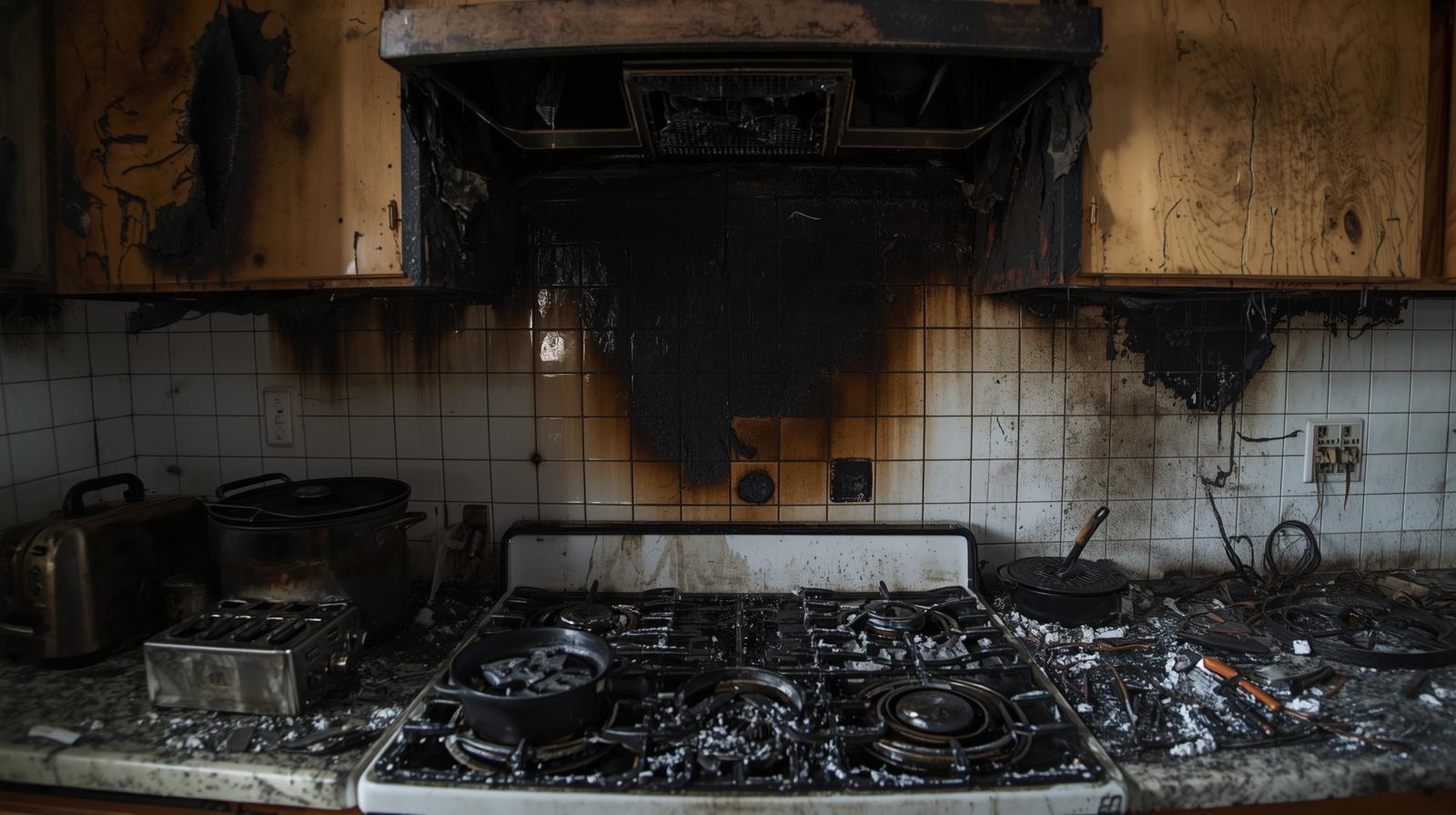
After a fire, homeowners throughout Jersey City and Hudson County are often left asking the same difficult question: what can be cleaned, and what needs to be replaced? When dealing with soot damage cleanup, the answer depends on the type of material affected, how deeply the soot has penetrated, and whether the damage can be safely and effectively restored.
Soot is more than a surface-level mess. It can stain, corrode, and leave behind lingering odors. In some cases, professional cleaning can save materials and belongings. In others, replacement is the smarter and more cost-effective choice.
At 911 Restoration of Jersey City, we help homeowners evaluate smoke soot damage and make informed decisions about restoration versus replacement after a fire.
For immediate professional fire and soot damage restoration throughout Hudson County, contact 911 Restoration of Jersey City now at 201-216-1112 for 24/7 emergency response with a guaranteed 45-minute arrival time.
Why Soot Damage Is More Complicated Than It Looks
Soot is made of microscopic particles created during incomplete combustion. These particles can contain acids, oils, and chemical residues that cling to surfaces and continue causing damage even after the fire is out.
That means smoke soot damage can:
- Stain walls, ceilings, and flooring
- Corrode metal, electronics, and fixtures
- Penetrate porous materials like drywall and fabric
- Leave behind strong smoke odors
- Affect indoor air quality
Because of this, the decision to clean or replace should not be based on appearance alone. Professional assessment proves essential for identifying hidden damage and contamination invisible to the untrained eye.
The Main Factors That Determine Whether an Item Can Be Cleaned or Should Be Replaced
When assessing soot damage cleanup, restoration professionals usually consider several key factors.
1. Surface Type
The type of material matters a lot.
More likely to be cleaned:
- Metal
- Glass
- Tile
- Sealed stone
- Some hardwood surfaces
- Certain appliances and fixtures
More likely to be replaced:
- Unpainted drywall
- Insulation
- Carpet padding
- Ceiling tiles
- Heavily affected upholstered furniture
- Porous textiles with deep contamination
Non-porous surfaces are generally easier to restore because soot stays closer to the surface.
2. Severity of the Soot Damage
Light soot on a limited area may be cleaned successfully. Heavy soot that has spread through multiple rooms or HVAC systems is much harder to fully remove.
Signs of severe contamination include:
- Thick black residue
- Oily or sticky soot
- Strong lingering smoke odor
- Visible staining after attempted cleaning
- Soot inside vents or around HVAC registers
The more widespread the damage, the more likely replacement may be part of the solution. Jersey City's older homes with interconnected HVAC systems can experience rapid soot spread throughout entire properties.
3. Depth of Odor Penetration
Sometimes the surface looks clean after treatment but still holds a smoke smell.
This is especially common with:
- Drywall
- Insulation
- Carpet and padding
- Upholstered furniture
- Mattresses
- Curtains and soft goods
If odor has penetrated deeply, cleaning may not fully solve the problem. New Jersey's humidity can actually intensify smoke odors trapped in porous materials, making professional assessment critical.
4. Cost to Restore vs Cost to Replace
This is one of the most important parts of the decision framework.
A professional may recommend replacement when:
- Cleaning costs approach or exceed replacement cost
- The item cannot be fully restored
- The item may pose a health or odor issue after cleaning
- Hidden contamination is likely to remain
The goal is not just to save items. It is to restore the home safely and effectively.
What Can Often Be Cleaned After Soot Damage
Many items and materials can be restored with professional soot removal services, especially if treatment begins quickly.
Hard, Non-Porous Surfaces
These are often good candidates for cleaning:
- Glass
- Metal fixtures
- Tile
- Countertops
- Sealed wood
- Some cabinets
Because soot stays on the surface, trained professionals can often remove it without permanent damage using specialized cleaning agents and techniques.
Certain Personal Belongings
Some contents may be salvageable through professional cleaning, including:
- Dishes
- Decorative items
- Some electronics (after specialized decontamination)
- Tools
- Washable clothing
- Hard-surface furniture
911 Restoration of Jersey City provides comprehensive contents restoration services using ultrasonic cleaning, specialized decontamination, and proper restoration techniques.
Some Structural Components
Depending on severity, professionals may be able to clean:
- Painted walls
- Finished wood trim
- Doors
- Lightly affected hardwood floors
Quick action improves the chances of successful restoration. 911 Restoration of Jersey City's guaranteed 45-minute response time throughout Hudson County ensures rapid intervention minimizing permanent damage.
What Often Needs to Be Replaced After Smoke Soot Damage
Some materials are much harder to restore, especially if they are porous or heavily contaminated.
Drywall and Insulation
These materials absorb smoke and odor easily. If contamination is deep, cleaning may not be enough.
Replacement is often needed when:
- Drywall is unpainted or heavily stained
- Insulation has absorbed smoke odor
- Fire or water damage weakened the material
Older Jersey City homes often feature plaster walls that require specialized assessment to determine restoration feasibility.
Carpet and Padding
Surface cleaning may help in minor cases, but padding underneath often traps odor and residue.
Replacement may be the better option if:
- The soot is widespread
- The padding is affected
- The odor remains after cleaning
Upholstered Furniture and Mattresses
These materials can absorb smoke deeply into fabric, foam, and stuffing.
Replacement is more likely when:
- The odor is strong
- The fabric is heavily stained
- The cost of cleaning is high without guaranteed results
Ceiling Tiles and Acoustic Materials
These materials are very porous and often show staining quickly. They are usually more practical to replace than restore.
A Simple Cost vs Replacement Decision Framework
Here is an easy way for homeowners to think through the clean-versus-replace decision.
Cleaning May Make Sense If:
- The item is non-porous or lightly affected
- The cost to clean is lower than replacement
- Odor has not deeply penetrated
- The material is structurally sound
- Professional restoration has a high chance of success
Replacement May Make Sense If:
- The item is porous and heavily contaminated
- The odor remains likely after cleaning
- Cleaning costs are close to replacement costs
- The material is damaged beyond appearance alone
- There are health or air quality concerns
This is where a professional assessment becomes especially valuable.
Why Professional Soot Removal Services Matter
DIY cleanup can sometimes make soot damage worse by smearing residue or pushing particles deeper into surfaces.
Professional soot removal services help by:
- Identifying what is salvageable
- Using surface-specific cleaning methods
- Reducing the spread of contamination
- Addressing odor at the source
- Helping document damage for insurance purposes
A trained restoration team can help homeowners avoid spending money on cleaning items that should really be replaced.
911 Restoration of Jersey City provides comprehensive fire damage restoration services throughout Hudson County with IICRC-certified technicians following proven protocols.
Jersey City-Specific Soot Damage Considerations
Hudson County properties face unique challenges with soot damage:
Older Construction: Many Jersey City, Hoboken, and Bayonne homes feature materials that readily absorb soot and require specialized cleaning techniques.
Multi-Family Buildings: Soot damage in multi-unit properties can spread through shared HVAC systems and wall cavities, requiring comprehensive assessment.
Humidity Factors: New Jersey's humid climate can intensify smoke odors trapped in materials, making professional deodorization essential.
Historic Properties: Older homes with original woodwork, plaster walls, and vintage fixtures require specialized restoration approaches preserving character while eliminating contamination.
Questions to Ask Before Deciding to Clean or Replace
If you are facing soot damage cleanup, ask:
- Is the material porous or non-porous?
- How heavy is the soot contamination?
- Is there a lingering smoke odor?
- Will cleaning fully solve the problem?
- Is restoration cost-effective compared to replacement?
- Could hidden contamination remain even after cleaning?
The answers can help guide a smarter recovery plan. 911 Restoration of Jersey City provides professional assessment and honest recommendations helping you make informed decisions.
Trust 911 Restoration of Jersey City to Help You Make the Right Call
After a fire, the goal is not just to clean what you can see. It is to fully address smoke soot damage in a way that is safe, practical, and cost-effective.
At 911 Restoration of Jersey City, we help homeowners throughout Hudson County evaluate what can be restored, what should be replaced, and how to move forward with confidence. From structural cleanup to contents restoration, our team is here to guide you through the process.
Our comprehensive soot damage services include:
- 24/7 emergency response with guaranteed 45-minute arrival
- Professional assessment of all affected materials
- Specialized soot and smoke removal techniques
- Complete odor elimination using thermal fogging and ozone treatments
- Contents restoration and cleaning
- Structural repairs and reconstruction
- Insurance claim documentation and coordination
- IICRC-certified professional technicians
We serve Jersey City, Hoboken, Bayonne, Kearny, Harrison, Newark, North Bergen, Secaucus, Weehawken, Union City, and all of Hudson County with proven fire and soot damage expertise.
If you need help with soot damage cleanup after a fire, contact 911 Restoration of Jersey City at 201-216-1112 for a professional assessment and a clear path toward recovery.
Latest Posts


Contact Us
For Advice
Need help? Talk to an expert
201-216-1112