

7Apr
How to Clean Soot Off Walls Without Making the Damage Worse
Too Long, Didn't Read
If you are wondering how to clean soot off walls, start carefully and avoid aggressive scrubbing. Soot can smear, stain, and damage paint, drywall, and other surfaces if cleaned incorrectly. Dry cleaning methods, proper safety gear, and surface-specific techniques are essential. For heavy residue, widespread damage, or strong smoke odor, professional fire damage restoration is usually the best next step.
After a fire, one of the first things homeowners throughout Jersey City and Hudson County notice is the black, dusty residue left behind on walls and ceilings. It is natural to want to start scrubbing right away, but when it comes to how to clean soot off walls, the wrong method can make the damage worse.
Soot is not like regular dirt. It is oily, acidic, and extremely easy to smear deeper into surfaces. Knowing when DIY soot removal is appropriate and when professional smoke soot cleanup is the safer choice can help protect your home from further damage.
At 911 Restoration of Jersey City, we help homeowners recover from fire damage with professional cleaning, odor removal, and restoration services that address both visible damage and hidden contamination.
For immediate professional fire damage restoration throughout Hudson County, contact 911 Restoration of Jersey City now at 201-216-1112 for 24/7 emergency response with a guaranteed 45-minute arrival time.
Why Soot Is So Difficult to Clean
Soot is made up of tiny particles created by incomplete combustion during a fire. These particles often contain acids, chemicals, and oily residue that cling tightly to surfaces.
That means soot can:
- Stain paint and drywall
- Damage finishes
- Spread easily when touched
- Leave behind strong smoke odor
- Affect indoor air quality
- Continue corroding surfaces after the fire
This is why smoke soot cleanup requires a careful approach. Improper cleaning can drive soot deeper into porous materials, creating permanent staining and worsening contamination.
Safety First Before You Start Soot Removal
Before trying any DIY cleaning, protect yourself from harmful exposure.
Wear Proper Safety Gear
Use:
- Gloves
- Safety goggles
- A long-sleeve shirt
- An N95 mask or respirator if available
Soot particles can irritate your skin, eyes, and lungs. The chemicals in soot can cause respiratory problems and skin reactions with direct contact.
Make Sure the Area Is Safe
Do not start cleaning if:
- The structure may be unstable
- There is electrical damage nearby
- Wet or damaged drywall is crumbling
- The fire department or restoration team has not cleared the area
- You smell gas or other hazardous odors
If there is any doubt about safety, stop and call a professional. 911 Restoration of Jersey City provides emergency assessment services ensuring your property is safe before cleanup begins.
How to Clean Soot Off Walls: Start With the Right Method
The biggest mistake homeowners make is scrubbing soot with water right away.
What Not to Do
Avoid:
- Scrubbing soot with a wet rag
- Using harsh household cleaners first
- Pressing soot deeper into paint or drywall
- Vacuuming without a HEPA filter
- Using colored towels that may transfer dye
Wet cleaning too soon can turn dry soot into a smeared stain that is much harder to remove. Water activates the oily components in soot, causing it to bond permanently with porous surfaces.
Surface-Specific Guidance for Soot Removal
Not all walls should be cleaned the same way. The right method depends on the material and finish.
Painted Walls
Painted drywall is one of the most common surfaces affected by soot in Jersey City homes.
Best approach:
- Use a dry-cleaning sponge, often called a chemical sponge, to gently wipe soot from the wall
- Work in straight lines rather than circles
- Start at the top and move downward
- Replace or trim the sponge as it gets dirty
- Only after dry soot is removed, test a mild cleaning solution in a small area
Be careful with flat paint, which can stain and smear more easily than semi-gloss finishes. Many older Hudson County homes feature flat paint that requires extra caution during cleaning.
Unpainted Drywall
Unpainted drywall is highly porous and absorbs soot quickly.
In many cases, heavy soot on unpainted drywall cannot be fully cleaned and may require removal and replacement. DIY cleaning often pushes the residue deeper into the material, making professional restoration the only effective solution.
Wallpapered Walls
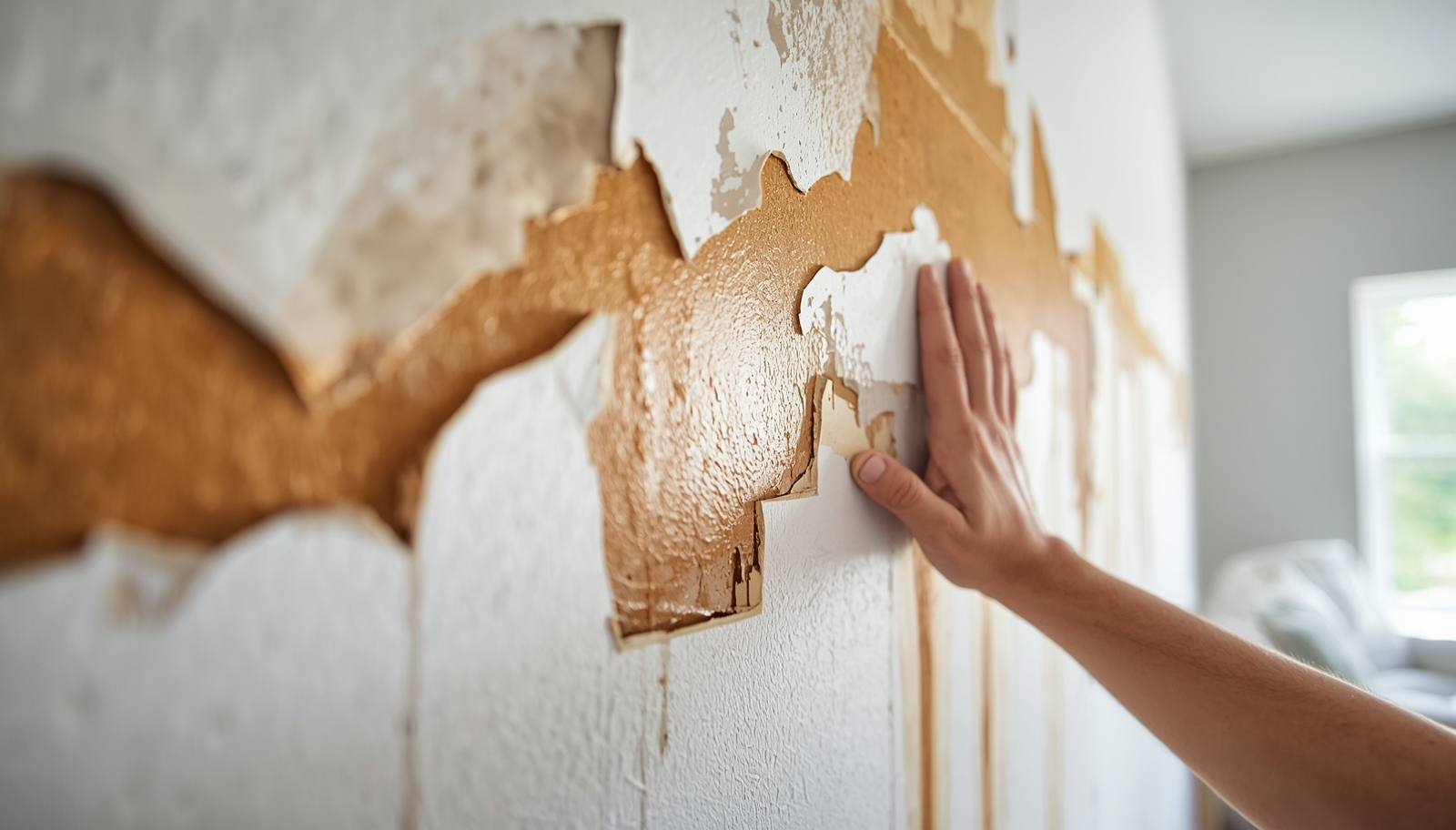
Wallpaper can be delicate and may lift, bubble, or stain during cleaning.
For wallpaper:
- Use dry methods first
- Avoid soaking the surface
- Stop immediately if the paper begins peeling or discoloring
Vintage wallpaper in older Jersey City homes requires especially gentle handling to prevent irreversible damage.
Brick, Stone, or Concrete Walls
These surfaces are more durable, but they are also porous.
You may be able to clean them with:
- A dry sponge first
- A mild cleaner after loose soot is removed
- Gentle blotting instead of aggressive scrubbing
If soot has penetrated deeply, professional cleaning may still be needed. Exposed brick common in Jersey City lofts and older homes absorbs soot rapidly and often requires specialized cleaning techniques.
Wood Paneling or Finished Wood
Wood surfaces can absorb smoke residue and odor.
Use caution because:
- Water can damage finishes
- Soot can get trapped in grain patterns
- Incorrect products can strip protective coatings
A restoration professional may be needed for delicate wood finishes or heavy smoke damage. Original woodwork in historic Hudson County properties requires expert assessment and treatment.
Basic DIY Soot Removal Steps
If the damage is minor and the area is safe, here is a careful approach to try.
1. Ventilate the Area
Open windows if possible and safe. Avoid using your HVAC system, since it may spread soot and smoke particles through the home.
2. Remove Loose Residue Carefully
Use a dry-cleaning sponge to lift soot from the surface. Do not scrub hard.
3. Test a Small Spot
Once dry soot is removed, test a mild solution on a small hidden area before cleaning larger sections.
4. Blot, Do Not Scrub
Use light pressure. Rubbing too hard can damage paint and spread staining.
5. Stop If the Damage Gets Worse
If the soot smears, the wall stains, or the odor remains strong, it is time to bring in a professional.
When DIY Soot Removal Should Stop
There are times when trying to clean the walls yourself is not the best choice.
Stop DIY cleaning if:
- Soot covers multiple rooms
- Walls are heavily stained
- The residue feels oily or sticky
- Smoke odor remains strong
- The HVAC system was running during the fire
- The walls are porous or delicate
- You are dealing with extensive contents damage too
Professional restoration teams have specialized products and equipment designed for safe soot removal and odor control. 911 Restoration of Jersey City uses IICRC-approved methods ensuring complete, safe soot removal.
Why Professional Smoke Soot Cleanup Often Works Better
Professional restoration does more than clean visible residue.
A professional team can help with:
- Surface-specific soot cleaning
- Smoke odor neutralization
- Air filtration
- HVAC contamination concerns
- Structural cleaning
- Personal property cleaning and recovery
If smoke affects furniture, textiles, or other belongings, 911 Restoration of Jersey City's contents restoration services can help evaluate and restore salvageable items.
If odor is lingering even after cleanup, professional odor removal using thermal fogging, ozone treatments, and hydroxyl generators may be necessary to eliminate smoke smells at the source.
Learn more about our comprehensive fire damage restoration services throughout Hudson County.
Jersey City-Specific Soot Cleaning Considerations
Hudson County properties face unique soot cleaning challenges:
Older Construction: Many Jersey City, Hoboken, and Bayonne homes feature plaster walls, vintage wallpaper, and original woodwork requiring specialized cleaning techniques.
Multi-Family Buildings: Soot damage in apartments and multi-unit properties can spread through shared HVAC systems and wall cavities, requiring comprehensive professional assessment.
Historic Properties: Older homes with delicate finishes and irreplaceable materials need expert restoration preserving character while eliminating contamination.
Urban Density: Close proximity between buildings can cause smoke contamination affecting neighboring units, requiring thorough cleaning beyond the fire origin.
Signs You Need Professional Help Right Away
Call 911 Restoration of Jersey City if:
- You see soot on ceilings, vents, or multiple walls
- The room still smells strongly like smoke
- You are unsure what type of surface you are cleaning
- The fire involved synthetic materials, plastics, or chemicals
- You are experiencing eye, throat, or breathing irritation
- Soot has contaminated your HVAC system
- DIY cleaning has made the staining worse
These are signs the damage may go beyond what DIY cleaning can safely handle. Professional assessment ensures complete, safe restoration.
Trust 911 Restoration of Jersey City for Safe, Thorough Fire Damage Cleanup
Knowing how to clean soot off walls is important, but so is knowing when to stop. Soot is messy, acidic, and easy to spread, which means the wrong cleaning method can create bigger problems.
At 911 Restoration of Jersey City, we provide professional soot removal, smoke soot cleanup, contents restoration, and odor removal services to help homeowners throughout Hudson County recover safely after a fire.
Our comprehensive fire damage services include:
- 24/7 emergency response with guaranteed 45-minute arrival
- Professional soot and smoke removal
- Complete odor elimination using advanced techniques
- HVAC system cleaning and decontamination
- Contents restoration and cleaning
- Structural repairs and reconstruction
- Insurance claim documentation and coordination
- IICRC-certified professional technicians
We serve Jersey City, Hoboken, Bayonne, Kearny, Harrison, Newark, North Bergen, Secaucus, Weehawken, Union City, and all of Hudson County with proven fire damage restoration expertise.
If you are dealing with soot-covered walls and lingering smoke damage, contact 911 Restoration of Jersey City at 201-216-1112 to get expert help restoring your home the right way.
Latest Posts


Contact Us
For Advice
Need help? Talk to an expert
201-216-1112