
31Mar
How to Clean Up Sewage in a Crawl Space
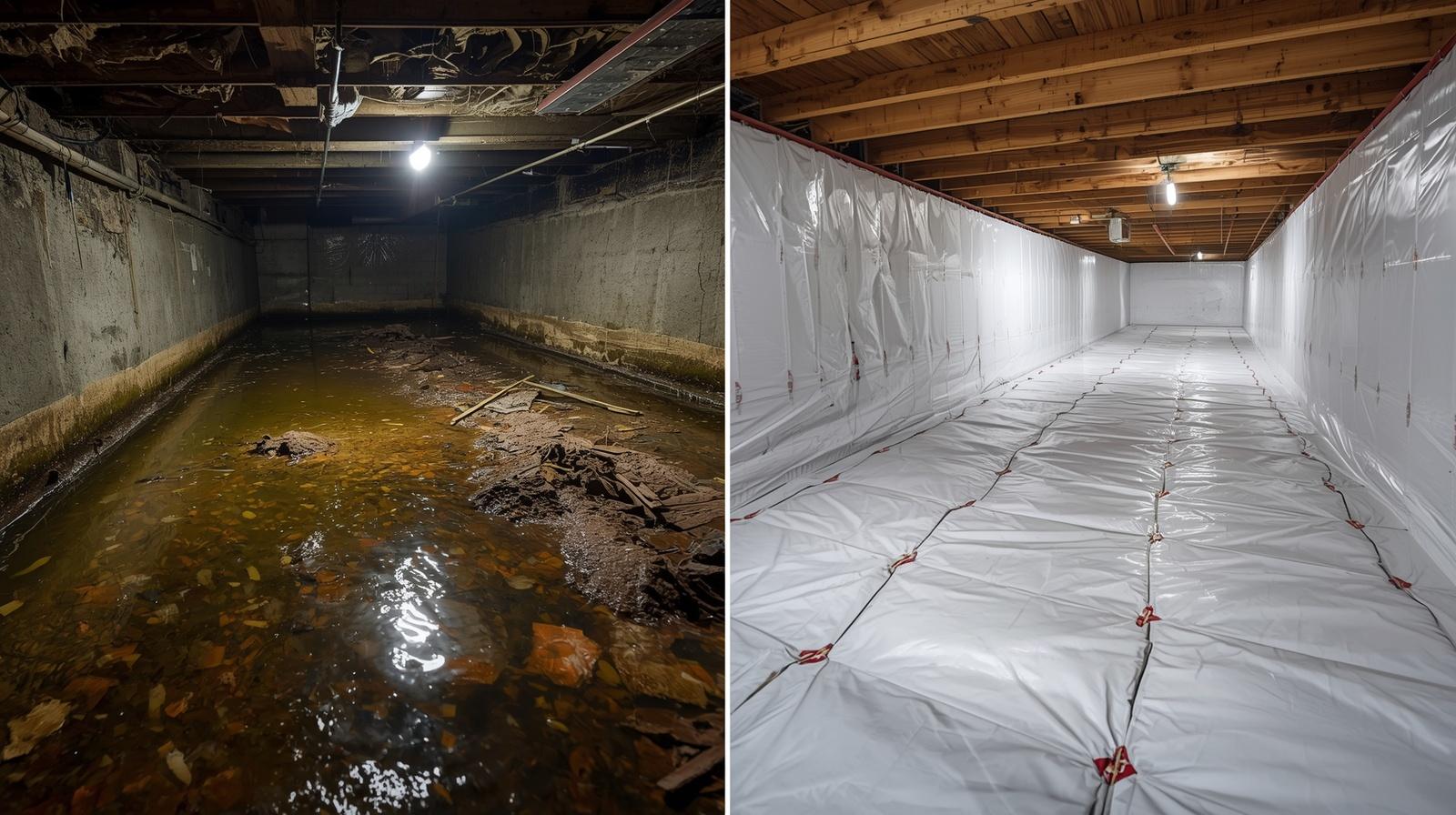
A crawl space is a small area beneath a house that's usually less than three feet high. This provides access to utility infrastructures like plumbing, electrical wiring, and HVAC components. The crawl space is crucial for maintaining your home and keeping it functional, and it often acts as a protective barrier against moisture, soil gasses, pests, and the elements.
However, crawl spaces are sometimes prone to water damage or sewage issues. When these problems occur, addressing them as soon as possible is essential, as they pose a significant health risk for you and your family.
We have prepared a step-by-step guide on how to safely and effectively clean up sewage in a crawl space, as well as tips on preventing future issues in Jersey City and Hudson County homes. We understand that dealing with sewage problems is unpleasant, but you can confidently overcome this challenge with the right tools and knowledge.
For immediate professional sewage cleanup services throughout Hudson County, contact 911 Restoration of Jersey City now at 201-216-1112 for 24/7 emergency response with a guaranteed 45-minute arrival time.
What Causes Sewage Issues in Crawl Spaces?
Despite taking the utmost care and precautions, property owners may face the unfortunate reality of sewage entering their crawl spaces. This can occur for a multitude of reasons beyond their control.
The following are the most common reasons why sewage can enter crawl spaces in Jersey City and Hudson County homes:
- Cracked Sewage Pipes: Over time, the sewage pipes running beneath or through your crawl space can crack, resulting in sewage leakage. This is particularly common in older Jersey City homes with aging infrastructure.
- Tree Roots: Invasive tree roots can block or damage sewage pipes, causing sewage to back up and flood the crawl space. Urban trees throughout Hudson County frequently cause these issues.
- Clogged City Sewage Lines: Clogs or blockages in the city sewage system can cause sewage to back up and enter your crawl space. Jersey City's older sewer infrastructure faces capacity challenges during heavy usage.
- Heavy Rainfall and Flooding: Extreme weather conditions can overwhelm the sewage system, causing sewage to go back into crawl spaces. Hudson County's proximity to the Hudson River increases flooding risks during storms.
- Ground Settlement: Jersey City's soil conditions can cause pipes to shift and crack over time, leading to sewage leaks into crawl spaces.
Why Sewage in Crawl Space is Dangerous
Sewage contamination in crawl spaces can pose significant risks to human health and a property's structural integrity. These confined areas may contain hazardous gasses, harmful bacteria, and mold growth that can impact the air quality within the home and cause illness among inhabitants.
Health hazards from sewage in crawl spaces include:
- Exposure to dangerous pathogens like E. coli, Salmonella, and Hepatitis A
- Toxic gases including methane, hydrogen sulfide, and ammonia
- Respiratory problems from airborne contaminants
- Skin infections from direct contact
- Parasitic infections from sewage-borne organisms
Moreover, prolonged exposure to sewage in crawl space can damage a property's foundation and structural integrity, leading to expensive repairs. New Jersey's humid climate accelerates mold growth following sewage contamination, creating additional health hazards.
Homeowners must be vigilant in identifying and addressing any instances of sewage infiltration in their crawl spaces to ensure a safe and healthy living environment. 911 Restoration of Jersey City provides professional assessment and complete remediation services throughout Hudson County.
How to Cleanup Sewage in a Crawl Space
Cleaning raw sewage in a crawl space isn't a simple task. It requires knowledge, expertise, and the right equipment. However, here are the general steps involved in professional sewage cleanup:
Step 1: Put on Protective Gear
Crawl space sewage cleanup is hazardous, so professional technicians wear rubber gloves, boots, goggles, and respirators to protect themselves before entering a contaminated crawl space. Proper protective equipment prevents exposure to dangerous pathogens and toxic gases.
Step 2: Remove Standing Water
Before starting the crawl space sewage cleanup process, professionals use industrial wet vacuums or submersible pumps to remove any standing water. Commercial-grade equipment extracts sewage water quickly and efficiently.
Step 3: Dispose of Debris and Damaged Materials
Remove any debris, damaged insulation, and porous materials contaminated by sewage. Materials like wood, drywall, insulation, and cardboard cannot be adequately sanitized and must be disposed of following EPA guidelines for hazardous waste.
Step 4: Clean and Sanitize
After removing all contaminated materials, clean the affected surfaces with water and detergent. Next, use commercial-grade disinfectants to kill any remaining bacteria, viruses, or parasites. Professional antimicrobial treatments ensure complete sanitization.
Step 5: Dry the Area
High-powered fans and industrial dehumidifiers help expedite the drying process. Ensure the space is completely dry before moving on to the following steps to prevent mold growth. New Jersey's humidity makes professional drying equipment essential.
Step 6: Repair Damaged Areas
Replace any insulation, wood, or structural materials that must be removed during the crawl space sewage cleanup. Also, consider sealing the crawl space with a vapor barrier to prevent future moisture issues and installing sump pumps for ongoing protection.
Why Professional Sewage Cleanup is Essential
When it comes to cleaning raw sewage in crawl space, hiring professionals is the best course of action. Professionals have the necessary expertise, equipment, and safety gear to effectively clean sewage without risking health hazards or further contamination of your property.
Professional sewage cleanup provides:
- Complete Safety: IICRC-certified technicians use proper protective equipment and follow EPA safety protocols
- Thorough Sanitization: Commercial-grade antimicrobial treatments eliminate all pathogens
- Proper Disposal: Hazardous waste disposal following local and federal regulations
- Structural Protection: Assessment and repair of foundation and structural damage
- Mold Prevention: Complete drying and antimicrobial application preventing future mold growth
- Insurance Coordination: Documentation and communication with insurance companies
In addition, attempting to clean sewage without a proper understanding of its potential dangers and complexities may result in an incomplete or insufficient job, making the situation worse instead of better. DIY sewage cleanup exposes you to dangerous health risks and rarely achieves complete sanitization.
Jersey City-Specific Crawl Space Considerations
Hudson County properties face unique crawl space sewage challenges:
Aging Infrastructure: Many Jersey City, Hoboken, and Bayonne homes feature older sewer lines more susceptible to cracks, breaks, and backups.
High Water Table: Hudson County's proximity to the Hudson River creates high groundwater levels, increasing sewage backup risks during heavy rain.
Urban Density: Multi-family buildings require comprehensive sewage remediation to prevent contamination spreading between units.
Clay Soil: Hudson County's clay-heavy soil retains moisture and can crack sewer lines through expansion and contraction.
Storm Surge: Coastal storms and flooding can overwhelm sewer systems, causing widespread sewage backups into crawl spaces.
Understanding these regional factors helps Jersey City homeowners recognize why professional sewage cleanup proves essential for complete, safe remediation.
Preventing Future Sewage Issues
After professional cleanup, implement these prevention strategies:
- Install backwater valves preventing sewage backflow
- Schedule regular sewer line inspections and maintenance
- Install sump pumps in crawl spaces prone to flooding
- Seal crawl space entrances and install vapor barriers
- Clear tree roots from sewer lines annually
- Avoid flushing inappropriate materials
- Monitor for early warning signs like slow drains or sewage odors
911 Restoration of Jersey City provides ongoing maintenance recommendations and inspection services helping prevent future sewage emergencies.
Call 911 Restoration of Jersey City for Professional Crawl Space Sewage Cleanup
911 Restoration of Jersey City is a leading expert in crawl space sewage cleanup throughout Hudson County. Our IICRC-certified technicians are trained to handle hazardous situations safely and effectively. With us, you get peace of mind knowing that your home is properly cleaned and sanitized.
Our comprehensive sewage cleanup services include:
- 24/7 emergency response with guaranteed 45-minute arrival
- Complete sewage extraction and removal
- EPA-compliant hazardous waste disposal
- Industrial-grade sanitization and disinfection
- Structural drying and dehumidification
- Mold prevention and remediation
- Complete repairs and reconstruction
- Insurance claim documentation and coordination
We serve Jersey City, Hoboken, Bayonne, Kearny, Harrison, Newark, North Bergen, Secaucus, Weehawken, Union City, and all of Hudson County with proven expertise in sewage cleanup and restoration.
Don't risk your health or your property with DIY sewage cleanup. Contact 911 Restoration of Jersey City at 201-216-1112 for professional crawl space sewage cleanup services available 24/7 throughout Hudson County.
Latest Posts


Contact Us
For Advice
Need help? Talk to an expert
201-216-1112