
5Mar
Is Black Mold Dangerous? | Jersey City, NJ Guide
Is black mold dangerous? Yes, absolutely. Black mold poses serious health risks to anyone exposed over time. This toxic fungus grows in damp areas throughout homes and buildings across Jersey City, Hoboken, Bayonne, Kearny, Harrison, Newark, North Bergen, Secaucus, Weehawken, Union City, and all of Hudson County.
Moreover, black mold releases harmful spores into the air you breathe. These microscopic particles cause respiratory problems, allergic reactions, and other health complications. Therefore, understanding black mold dangers helps you protect your family and property.
For immediate professional black mold remediation throughout Hudson County, contact 911 Restoration of Jersey City now at 201-216-1112 for 24/7 emergency mold removal with a guaranteed 45-minute response time.
What Is Black Mold?
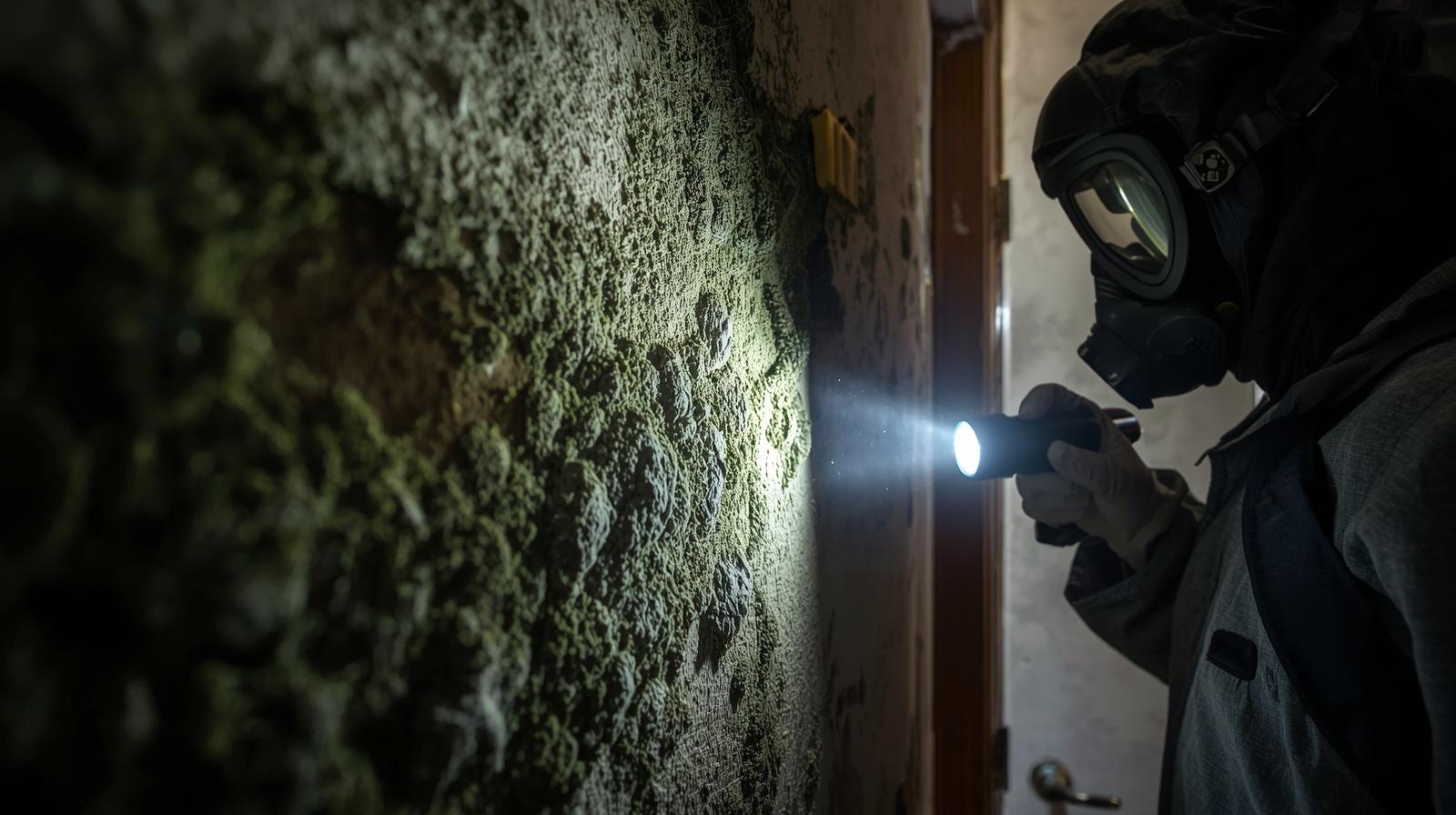
Black mold, scientifically known as Stachybotrys chartarum, is a toxic fungus. It appears dark greenish-black in color. Additionally, it feels slimy or wet to the touch.
Key characteristics include:
- Dark greenish-black or gray appearance
- Slimy, wet texture when active
- Strong musty, earthy odor
- Grows on cellulose-rich materials
- Thrives in consistently damp environments
Furthermore, black mold differs from other common household molds. While all mold should be removed, black mold produces mycotoxins. These toxic compounds create more severe health risks than typical mold species.
Why Is Black Mold Particularly Dangerous?
Black mold produces mycotoxins during its growth cycle. Consequently, these toxic substances become airborne with mold spores. When you breathe contaminated air, mycotoxins enter your respiratory system.
Three main danger factors:
- Mycotoxin Production - Releases toxic compounds affecting human health
- Airborne Distribution - Spores travel easily through indoor air
- Persistent Growth - Continues spreading if moisture remains
Additionally, New Jersey's humid climate creates ideal black mold conditions. Summer humidity and winter condensation provide the moisture black mold needs. Therefore, Hudson County properties face elevated black mold risks.
Health Risks from Black Mold Exposure
Black mold affects different people in different ways. However, everyone faces potential health complications from prolonged exposure. Moreover, certain groups experience more severe reactions.
Immediate Health Symptoms
Short-term black mold exposure often causes noticeable symptoms. These typically appear within hours or days of contact.
Common immediate symptoms include:
- Persistent coughing and sneezing
- Watery, irritated eyes
- Runny or stuffy nose
- Throat irritation and soreness
- Skin rashes or irritation
- Headaches and dizziness
- Difficulty breathing
Furthermore, these symptoms often worsen when you're in contaminated areas. Conversely, they may improve when you leave your home.
Long-Term Health Effects
Prolonged black mold exposure creates more serious health problems. Therefore, immediate removal becomes essential for protecting your family.
Serious long-term effects include:
- Chronic respiratory problems - Persistent coughing, wheezing, shortness of breath
- Severe allergic reactions - Developing new allergies or worsening existing ones
- Asthma development - New asthma cases or severe asthma attacks
- Immune system suppression - Weakened ability to fight infections
- Neurological symptoms - Memory problems, confusion, mood changes
- Chronic fatigue - Persistent exhaustion and weakness
Additionally, some studies suggest links to more severe conditions. However, research continues on black mold's full health impact.
High-Risk Groups
Certain people face greater dangers from black mold exposure. Therefore, these groups require extra protection and immediate remediation.
Most vulnerable populations:
- Infants and young children
- Elderly individuals
- Pregnant women
- People with asthma or allergies
- Individuals with weakened immune systems
- Those with chronic lung diseases
Consequently, if your household includes vulnerable members, immediate professional mold removal becomes critical.
Where Black Mold Grows in Hudson County Homes
Black mold requires specific conditions to thrive. Understanding common growth locations helps you identify problems early.
Ideal Growth Conditions
Black mold needs three things to grow and spread:
- Moisture - Consistent dampness or high humidity (above 60%)
- Organic Material - Cellulose-rich surfaces like drywall, wood, paper
- Poor Ventilation - Limited air circulation trapping moisture
Moreover, New Jersey's climate provides perfect conditions. Humid summers and winter condensation create moisture problems throughout Hudson County homes.
Common Growth Locations
Black mold frequently appears in:
- Basements - High humidity, poor ventilation, foundation leaks
- Bathrooms - Steam from showers, inadequate exhaust fans
- Attics - Roof leaks, poor insulation
- Crawl Spaces - Ground moisture, limited air circulation
- Kitchen areas - Sink leaks, dishwasher problems
- Window frames - Condensation from temperature differences
- Behind walls - Hidden pipe leaks, exterior water intrusion
- HVAC systems - Condensation, poor maintenance
Furthermore, finished basements in older Jersey City homes face particular risks. Limited waterproofing and aging infrastructure create chronic moisture problems.
How to Identify Black Mold
Early detection prevents extensive contamination and health problems. Therefore, regular home inspections prove essential.
Visual Identification
Look for these warning signs:
- Dark greenish-black or gray patches on surfaces
- Slimy or wet appearance when mold is active
- Fuzzy or velvety texture when dried
- Concentrated growth in corners and edges
- Spreading patterns from moisture sources
However, not all black-appearing mold is Stachybotrys chartarum. Consequently, professional testing confirms exact species identification.
Smell Detection
Black mold produces a distinctive musty, earthy odor. This smell intensifies in enclosed spaces. Additionally, the odor often persists even after cleaning attempts.
Therefore, if you smell persistent musty odors without visible mold, hidden growth likely exists. Professional inspection can locate concealed contamination.
Professional Testing
Professional mold testing provides definitive identification. Certified inspectors collect samples for laboratory analysis. Consequently, you receive accurate species identification and contamination extent.
Testing benefits include:
- Confirming black mold presence
- Identifying all mold species present
- Determining spore concentration levels
- Locating hidden contamination
- Guiding remediation planning
Moreover, professional testing supports insurance claims when applicable.
Why DIY Black Mold Removal Is Dangerous
Attempting to remove black mold yourself creates serious risks. Therefore, professional remediation provides the only safe approach.
Health Exposure Risks
Disturbing black mold releases massive spore quantities into the air. Consequently, you expose yourself to concentrated mycotoxin levels. Additionally, improper protective equipment fails to prevent contamination.
DIY dangers include:
- Direct mycotoxin exposure during removal
- Spreading spores throughout your home
- Inadequate protective equipment
- Incomplete removal allowing regrowth
- Cross-contaminating unaffected areas
Furthermore, you risk severe health reactions from concentrated exposure.
Ineffective Removal Methods
Household cleaners cannot eliminate black mold completely. Moreover, surface cleaning leaves roots within porous materials. Therefore, mold regrows quickly after DIY attempts.
Common DIY mistakes:
- Using bleach on porous surfaces (ineffective)
- Not addressing moisture sources (guarantees regrowth)
- Failing to contain contaminated areas
- Inadequate disposal of contaminated materials
- Missing hidden mold behind surfaces
Consequently, professional remediation provides the only reliable solution.
Professional Black Mold Remediation Process
Professional mold remediation follows strict industry protocols. Therefore, certified technicians safely eliminate contamination while protecting your health.
Step 1: Comprehensive Inspection and Testing
First, professionals assess contamination extent using specialized equipment. Thermal imaging cameras detect hidden moisture. Additionally, moisture meters measure exact levels in materials.
Inspection includes:
- Visual examination of all areas
- Moisture mapping throughout property
- Air quality testing for spore levels
- Material sampling for laboratory analysis
- Damage documentation for insurance
Step 2: Containment and Air Filtration
Next, technicians establish containment preventing spore spread. Plastic sheeting seals contaminated areas. Moreover, negative air pressure machines direct airflow outward.
Containment measures:
- Physical barriers using heavy plastic sheeting
- Negative air pressure preventing spore migration
- HEPA filtration capturing airborne spores
- Sealed disposal pathways for contaminated materials
Consequently, contamination stays confined during removal.
Step 3: Safe Removal and Disposal
Then, certified technicians remove all contaminated materials. They wear full protective equipment including respirators. Additionally, they follow EPA guidelines for safe disposal.
Removal process involves:
- Removing contaminated drywall, insulation, carpeting
- HEPA vacuuming all surfaces
- Antimicrobial treatment of remaining structures
- Proper bagging and disposal of materials
- Decontamination of tools and equipment
Step 4: Thorough Cleaning and Sanitization
Afterward, professionals clean all affected areas extensively. HEPA vacuums remove remaining spores. Furthermore, antimicrobial treatments prevent regrowth.
Step 5: Moisture Source Elimination
Most importantly, professionals identify and correct moisture sources. Otherwise, black mold will return. Therefore, this step proves essential for long-term protection.
Common moisture corrections:
- Repairing pipe leaks and plumbing failures
- Improving ventilation systems
- Installing proper drainage
- Fixing roof leaks and damage
- Enhancing basement waterproofing
- Adding dehumidification systems
Step 6: Verification Testing
Finally, post-remediation testing confirms successful removal. Air quality tests measure spore levels. Consequently, you receive documentation proving safe conditions.
Preventing Black Mold in Hudson County Homes
Prevention proves easier and less expensive than remediation. Therefore, implementing these strategies protects your property and health.
Control Indoor Humidity
Maintain humidity below 60% by:
- Using dehumidifiers in damp areas
- Running bathroom exhaust fans during and after showers
- Venting dryers outside
- Opening windows when weather permits
- Installing whole-house ventilation systems
Moreover, New Jersey's humid summers require extra attention. Monitor humidity levels regularly with inexpensive hygrometers.
Fix Water Problems Immediately
Address moisture issues promptly:
- Repair all leaks within 24-48 hours
- Fix roof damage before water enters
- Correct foundation drainage problems
- Replace failed plumbing fixtures
- Repair window and door leaks
Additionally, winter condensation requires immediate attention. Otherwise, moisture accumulates and creates ideal mold conditions.
Improve Ventilation
Enhance airflow throughout your property:
- Install exhaust fans in bathrooms and kitchens
- Ensure attic ventilation works properly
- Keep HVAC systems well-maintained
- Don't block air vents with furniture
- Use fans to improve circulation
Furthermore, older Jersey City homes often need ventilation upgrades.
Regular Inspections
Check these areas monthly:
- Basements for dampness or leaks
- Bathrooms for persistent moisture
- Attics for roof leaks or condensation
- Crawl spaces for ground moisture
- Around windows for condensation
Consequently, early detection prevents major contamination.
Why Choose 911 Restoration of Jersey City
Professional black mold remediation requires expertise, equipment, and experience. Therefore, choosing qualified specialists protects your family and property.
Our Black Mold Services Include:
Comprehensive mold remediation throughout Hudson County:
- 24/7 emergency response with guaranteed 45-minute arrival
- Professional mold testing and identification
- Complete containment and air filtration
- Safe removal following EPA guidelines
- Thorough cleaning and sanitization
- Moisture source identification and correction
- Post-remediation verification testing
- IICRC-certified technicians
- Insurance coordination and documentation
Moreover, we serve Jersey City, Hoboken, Bayonne, Kearny, Harrison, Newark, North Bergen, Secaucus, Weehawken, Union City, and surrounding Hudson County communities with proven black mold expertise.
Frequently Asked Questions About Black Mold
1. How quickly can black mold make you sick?
Symptoms can appear within hours of exposure for sensitive individuals. However, most people notice effects after several days of contact. Therefore, immediate removal proves essential when black mold is discovered.
2. Can black mold be completely removed?
Yes, professional remediation completely eliminates black mold when done correctly. However, moisture problems must be fixed. Otherwise, mold returns. Consequently, professional services address both removal and prevention.
3. How much does black mold remediation cost?
Costs vary based on contamination extent and location. Small areas may cost $500-$1,500. Extensive contamination can exceed $10,000. Therefore, professional inspection provides accurate estimates. Additionally, insurance may cover costs when applicable.
4. Should I move out during black mold removal?
For extensive contamination, temporary relocation is recommended. This protects your family from exposure during remediation. However, small, contained areas may not require moving. Consequently, professionals assess each situation individually.
5. How long does black mold remediation take?
Small projects may complete in 1-2 days. Extensive remediation can take 1-2 weeks. Additionally, drying time varies based on materials and moisture extent. Therefore, professionals provide specific timelines after inspection.
6. Will black mold come back after removal?
Only if moisture problems persist. Therefore, proper remediation includes moisture source correction. Moreover, maintaining low humidity prevents future growth. Consequently, professional services provide long-term protection.
7. Can I test for black mold myself?
DIY test kits exist but provide limited information. Professional testing offers accurate species identification and contamination extent. Therefore, certified inspectors provide reliable results supporting proper remediation.
Protect Your Family from Black Mold Dangers
Understanding "is black mold dangerous" helps Hudson County property owners recognize serious health risks. Yes, black mold poses significant dangers requiring immediate professional attention.
Moreover, attempting DIY removal creates additional risks. Therefore, professional remediation provides the only safe, effective solution. Additionally, certified technicians eliminate contamination completely while protecting your health.
Furthermore, prevention strategies maintain safe indoor environments. Controlling humidity, fixing leaks promptly, and improving ventilation all prevent black mold growth.
911 Restoration of Jersey City provides comprehensive black mold remediation throughout Hudson County. Our IICRC-certified technicians respond within 45 minutes, 24/7, with proven protocols ensuring complete, safe mold removal.
Don't risk your family's health with dangerous black mold exposure. Contact 911 Restoration of Jersey City now at 201-216-1112 for professional black mold testing and remediation services available around the clock throughout Hudson County.
Latest Posts


Contact Us
For Advice
Need help? Talk to an expert
201-216-1112