
26Feb
What to Do After a House Fire: Essential Recovery Steps for Jersey City Property Owners
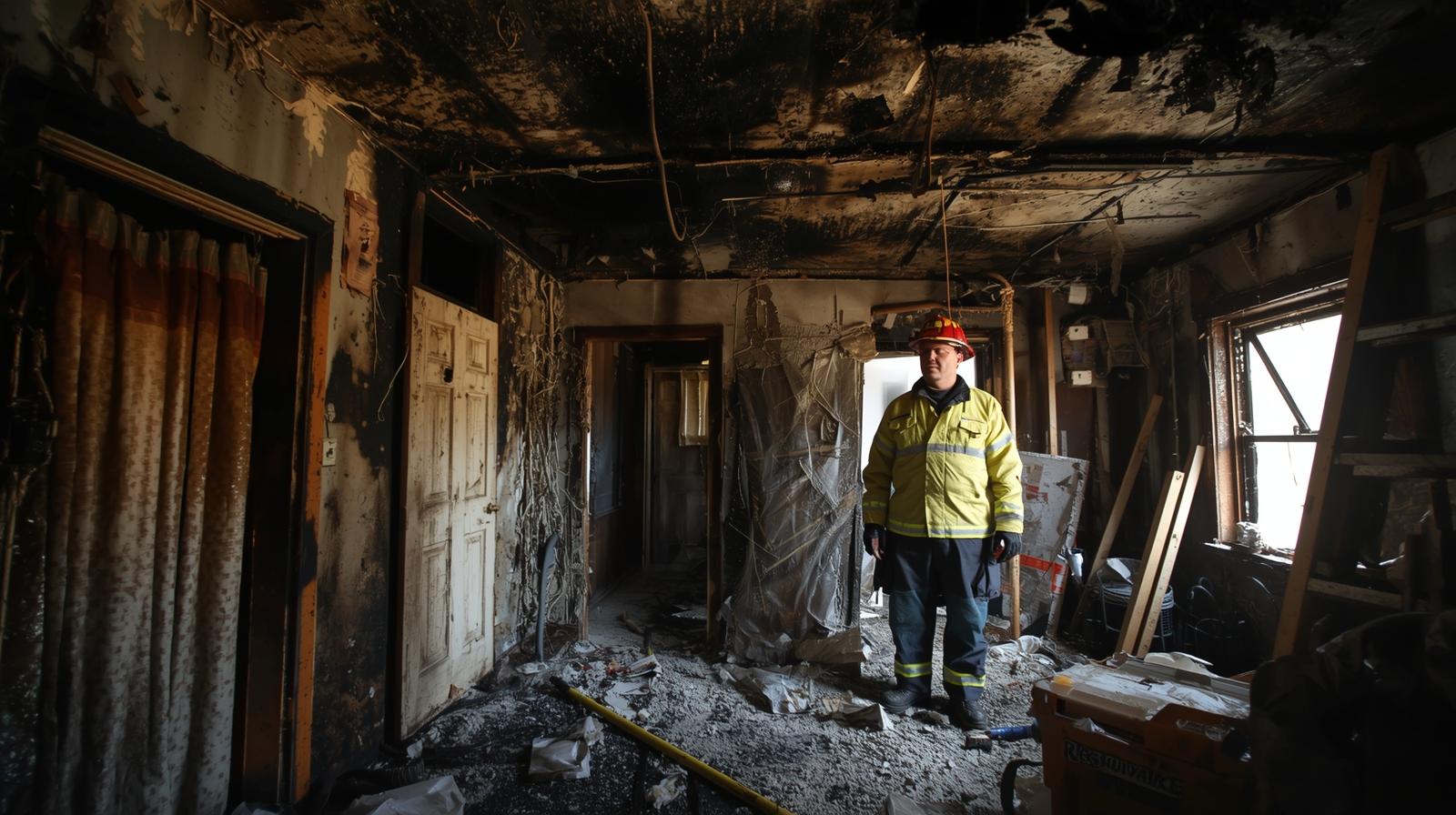
What to do after a house fire often feels overwhelming when facing the devastating aftermath of flames, smoke, and water damage throughout your property. Whether experiencing kitchen fires, electrical fires, heating system failures, or any fire emergency throughout Jersey City, Hoboken, Bayonne, Kearny, Harrison, Newark, North Bergen, Secaucus, Weehawken, or Union City, the actions you take during the first hours and days prove absolutely critical for your safety, your insurance claim, and your property's recovery. Fire damage extends far beyond visible charring, with smoke residue, soot contamination, and structural compromise creating complex restoration challenges requiring professional expertise and immediate attention.
For immediate professional fire damage restoration throughout Hudson County, contact 911 Restoration of Jersey City now at 201-216-1112 for 24/7 emergency response with a guaranteed 45-minute arrival time.
Understanding the Scope of Fire Damage
Fire damage creates multiple interconnected problems affecting properties far beyond areas directly touched by flames. Heat exposure weakens structural materials even without visible burning. Smoke penetrates throughout properties, depositing acidic residues on surfaces, within HVAC systems, and inside porous materials. Soot particles settle everywhere, creating health hazards and corrosive conditions. Water used during firefighting saturates materials, creating immediate mold risks and additional structural concerns.
Throughout Jersey City and Hudson County properties, these damage types prove particularly challenging due to regional construction characteristics. Older buildings often feature materials that readily absorb smoke odors and soot contamination. Multi-story structures allow smoke and soot to migrate vertically through wall cavities and mechanical chases. Cold weather complicates drying processes when fires occur during winter months.
Understanding this complexity helps property owners recognize why professional fire damage restoration proves essential for complete, safe recovery following any fire incident.
Immediate Safety: First Actions After Firefighters Leave
Your immediate priority following fire extinguishment focuses entirely on personal safety and preventing additional harm.
Wait for Official Authorization to Enter
Never enter fire-damaged properties until fire department officials explicitly authorize re-entry. Structural damage may create collapse risks invisible from outside. Electrical systems may remain energized creating electrocution hazards. Gas leaks may persist creating explosion risks. Firefighters conduct safety assessments before clearing properties for entry.
When authorization comes, enter cautiously wearing sturdy shoes, long pants, long sleeves, and gloves. Avoid touching walls or surfaces when possible as soot contains toxic chemicals and acidic compounds. If you smell gas, leave immediately and contact emergency services from a safe distance.
Assess Immediate Hazards
Once inside with permission, identify obvious safety concerns without extensive exploration. Look for sagging ceilings, warped floors, visible structural damage, standing water creating slip hazards, exposed electrical wiring, and lingering smoke or chemical odors. If any serious hazards appear, exit immediately and await professional assessment.
Secure the Property
Board up broken windows, damaged doors, and compromised access points preventing unauthorized entry, weather intrusion, and animal access. Many fire departments or restoration companies provide emergency board-up services. Throughout New Jersey's variable weather, securing properties quickly prevents rain, snow, and cold air from causing additional damage.
Contact Loved Ones and Arrange Temporary Housing
Notify family members about your safety and situation. Contact your insurance company immediately to begin the claims process and inquire about temporary housing coverage. Most homeowners policies include "loss of use" or "additional living expenses" coverage providing hotel or rental accommodations during restoration. Keep all receipts for reimbursement.
911 Restoration of Jersey City provides emergency board-up services and can coordinate with your insurance company regarding temporary accommodations while restoration proceeds.
Critical First 24 Hours: Documentation and Professional Contact
The first day following a house fire requires decisive action protecting your financial interests and beginning the recovery process.
Document Everything Comprehensively
Before touching, moving, or cleaning anything, thoroughly document all fire damage using photographs and videos. Capture damage from multiple angles including charred areas, smoke staining, soot deposits, water damage from firefighting, damaged contents, and structural compromise. Record video walkthroughs narrating observations.
This documentation proves essential for insurance claims. Adjusters rely on visual evidence understanding damage extent and supporting appropriate settlement amounts. Photograph damaged items before disposal, documenting condition and identifying information when possible.
Contact Your Insurance Company Immediately
Report fire damage to your insurance provider within hours of the incident. Most policies require prompt notification. Provide your agent or claims department with basic incident details, preliminary damage assessment, and initial documentation. Ask about immediate next steps, coverage provisions, temporary housing authorization, and claims process timelines.
Insurance companies typically dispatch adjusters quickly for fire losses. Your cooperation and thorough documentation facilitate efficient claims processing. 911 Restoration of Jersey City works directly with insurance companies throughout fire damage restoration, providing detailed assessments and professional documentation supporting appropriate settlements.
Call Professional Fire Damage Restoration Services
Fire damage restoration requires specialized expertise, equipment, and safety protocols far beyond standard cleaning or repairs. Professional restoration companies address smoke odor removal, soot cleaning, structural decontamination, water damage from firefighting, and complete property reconstruction.
911 Restoration of Jersey City provides 24/7 emergency fire damage restoration throughout Hudson County. Our certified technicians respond within 45 minutes. We assess damage extent, deploy appropriate equipment and safety measures, and begin restoration immediately, preventing progressive damage and additional losses.
Avoid DIY Cleanup Attempts
Well-intentioned cleanup attempts often worsen fire damage. Improper cleaning techniques can spread soot contamination, drive smoke residues deeper into materials, and damage surfaces beyond repair. Acidic soot residues require specialized neutralization. Smoke odor removal demands professional equipment and antimicrobial treatments. Structural safety assessments require engineering expertise.
Professional restoration companies utilize proper safety equipment, specialized cleaning agents, industrial air scrubbers, and comprehensive restoration protocols ensuring safe, complete recovery.
Understanding Fire Damage Categories
Fire damage professionals assess three primary damage types requiring different restoration approaches.
Primary Fire Damage
Primary damage affects areas directly touched by flames. This includes charred materials, burned contents, and heat-damaged structures. These areas typically require extensive reconstruction after debris removal and structural assessment.
Secondary Smoke and Soot Damage
Secondary damage affects areas not directly burned but contaminated by smoke and soot migration. Smoke travels throughout properties following air currents, depositing acidic residues on walls, ceilings, contents, and within HVAC systems. This damage extends far beyond fire locations and requires professional cleaning preventing permanent staining and corrosion.
Tertiary Water Damage
Water used during firefighting creates substantial additional damage. Saturation leads to material weakening, mold growth risks, and secondary structural problems. Professional water extraction and drying prove essential preventing these complications.
Professional Fire Damage Restoration Process
Understanding proper restoration procedures helps property owners evaluate service quality and understand recovery timelines.
Emergency Response and Property Securing
Professional restoration companies provide immediate emergency response including property boarding, tarp installation, debris removal from entry areas, and initial safety assessments. These measures prevent additional damage from weather, unauthorized access, and continued deterioration.
Comprehensive Damage Assessment
Certified technicians conduct thorough property assessments documenting damage extent, identifying safety hazards, testing structural integrity, and developing detailed restoration plans. This assessment guides insurance claims and establishes restoration scopes and timelines.
Soot and Smoke Removal
Professional soot removal utilizes specialized equipment and cleaning agents. Dry cleaning methods remove loose soot without spreading contamination. Wet cleaning with pH-appropriate solutions neutralizes acidic residues. Abrasive cleaning addresses stubborn deposits. Each surface type requires specific approaches preventing damage while achieving thorough decontamination.
HVAC systems receive particular attention as smoke residues contaminate ductwork and mechanical components. Without professional cleaning, contaminated systems continuously recirculate smoke odors and soot particles throughout properties.
Smoke Odor Elimination
Smoke odors prove remarkably persistent, penetrating porous materials and remaining noticeable long after visible cleaning. Professional odor removal employs multiple techniques including thermal fogging replicating smoke penetration patterns with deodorizing compounds, ozone treatments oxidizing odor-causing molecules, and hydroxyl generators providing continuous air purification.
Simply masking smoke odors with air fresheners or cleaning products proves ineffective. Professional deodorization addresses odor sources at molecular levels ensuring complete elimination.
Water Damage Restoration
Firefighting water requires immediate professional extraction and drying. Industrial dehumidifiers and air movers operate continuously removing moisture from structures, preventing mold growth, and restoring normal humidity levels. Moisture detection equipment monitors drying progress ensuring thorough completion.
Content Cleaning and Restoration
Fire-damaged contents receive professional assessment determining restoration feasibility. Specialized cleaning techniques address soot contamination on furniture, electronics, clothing, documents, and personal items. Ultrasonic cleaning removes particulates from delicate items. Dry cleaning processes address fabrics and textiles. Electronics receive specialized decontamination preventing corrosion and operational failure.
Some items prove too damaged for restoration and require replacement. Professional documentation supports insurance claims for total losses.
Structural Repairs and Reconstruction
Following complete cleaning and decontamination, reconstruction begins. This ranges from minor drywall repairs through complete rebuilding depending on fire severity. Professional restoration companies coordinate all reconstruction trades ensuring quality workmanship and code compliance.
Jersey City-Specific Fire Damage Considerations
Properties throughout Hudson County face distinctive fire damage challenges related to regional characteristics.
Heating System Fires During Winter
New Jersey's harsh winters create elevated fire risks from heating systems, fireplaces, and space heaters. These fires often occur during extreme cold when heating demands peak. Winter conditions complicate restoration by limiting ventilation options for odor removal and creating challenges for material drying.
Historic Construction Challenges
Older properties throughout Jersey City, Hoboken, Bayonne, and surrounding communities often feature construction methods and materials complicating fire restoration. Plaster walls, original wood flooring, and antique finishes require specialized cleaning and restoration approaches preserving historic character while achieving complete decontamination.
Multi-Family and Multi-Story Properties
Hudson County features numerous multi-family homes and multi-story buildings. Fire and smoke damage in these structures migrates vertically through wall cavities and mechanical chases, affecting units or floors distant from fire origins. Comprehensive restoration requires addressing this migration preventing contamination in seemingly undamaged areas.
Cold Weather Restoration Challenges
Fires occurring during New Jersey winters create unique restoration challenges. Frozen ground complicates water drainage. Cold temperatures slow drying processes. Limited ventilation due to cold weather restricts odor removal options. Professional restoration companies deploy specialized equipment and approaches addressing these regional challenges.
Salvaging Personal Belongings After Fire
Recovering personal possessions provides emotional comfort during difficult recovery periods.
What Can Typically Be Saved
Professional content restoration often saves items initially appearing beyond recovery. Hard surfaces including glass, metal, and ceramics usually clean successfully. Electronics may be restorable through specialized decontamination. Documents can receive freeze-drying treatments. Clothing and textiles respond to professional cleaning when damage isn't severe.
What Usually Requires Disposal
Severely charred items, heat-damaged electronics, contaminated food, compromised medications, heavily smoke-damaged porous materials, and items contaminated by firefighting chemicals typically require disposal. Professional assessments guide these decisions, balancing restoration feasibility against safety and cost considerations.
Professional Content Restoration Services
Restoration companies provide comprehensive content services including pack-out (removing contents to climate-controlled facilities), specialized cleaning, secure storage during property restoration, detailed inventory documentation, and coordinated return following property completion.
Health and Safety Concerns After House Fires
Fire aftermath creates numerous health hazards requiring professional mitigation.
Toxic Smoke Residues
Modern building materials and contents release toxic chemicals during combustion. Smoke residues contain carcinogens, heavy metals, and corrosive compounds. Direct contact causes skin irritation. Inhalation creates respiratory problems. Professional decontamination eliminates these hazards preventing long-term health consequences.
Mold Growth Risks
Water from firefighting creates ideal mold growth conditions within 24-48 hours. Mold colonization produces allergens and irritants affecting respiratory health. Professional water extraction and drying prevent mold problems during fire restoration.
Structural Safety Hazards
Fire weakens structural materials in ways not always immediately visible. Professional engineering assessments determine structural integrity before allowing full property access or beginning reconstruction.
Insurance Claims Process for Fire Damage
Understanding typical insurance processes helps navigate fire damage claims effectively.
Initial Claim and Adjuster Assignment
Insurance companies prioritize fire claims due to severity. Adjusters typically contact policyholders within 24 hours scheduling property inspections. Initial assessments determine coverage applicability and estimate loss amounts.
Documentation Requirements
Comprehensive documentation proves essential. This includes fire department reports, property photographs and videos, damaged contents inventories, receipts for emergency expenses, temporary housing costs, and professional restoration estimates. Thorough records support appropriate settlements.
Working With Restoration Companies
Professional restoration companies like 911 Restoration of Jersey City coordinate directly with insurance adjusters providing detailed damage assessments, restoration scope documentation, progress reports, and final completion verification. This coordination streamlines claims processing and ensures appropriate coverage application.
Settlement and Recovery
Insurance settlements vary by damage extent and policy provisions. Most homeowners policies cover fire damage comprehensively including structure repairs, content replacement, temporary living expenses, and professional restoration services. Understanding your policy before fires occur helps set realistic expectations during recovery.
Why Choose 911 Restoration of Jersey City
When fire damage strikes throughout Hudson County, choosing experienced fire restoration specialists dramatically affects recovery outcomes.
Our Comprehensive Fire Damage Services Include:
24/7 Emergency Response: Round-the-clock availability with a guaranteed 45-minute response time throughout Jersey City, Hoboken, Bayonne, Kearny, Harrison, Newark, North Bergen, Secaucus, Weehawken, and Union City
Emergency Property Securing: Board-up services, tarping, and debris removal preventing additional damage
Complete Soot and Smoke Removal: Professional cleaning addressing all contaminated surfaces and systems
Advanced Odor Elimination: Thermal fogging, ozone treatments, and hydroxyl generation ensuring complete smoke odor removal
Water Damage Restoration: Industrial extraction and drying addressing firefighting water damage
Content Cleaning and Restoration: Specialized services saving personal belongings and valued possessions
Structural Reconstruction: Complete rebuilding from minor repairs through major reconstruction projects
Insurance Coordination: Direct adjuster communication and comprehensive documentation supporting appropriate claim settlements
IICRC Certification: Industry-certified technicians following professional standards throughout restoration
When fire damages your Jersey City property, immediate professional response protects your safety and minimizes total recovery costs.
Frequently Asked Questions About Fire Damage Recovery
1. When can I safely return to my fire-damaged home?
Only enter after fire department officials explicitly authorize re-entry. Professional restoration companies conduct additional safety assessments before beginning work. Full occupancy typically requires completing structural repairs, eliminating health hazards, and restoring utilities. Timelines vary from days to months depending on damage severity.
2. How long does fire damage restoration take?
Restoration timelines depend on fire severity, damage extent, and reconstruction requirements. Minor fires affecting single rooms may restore within 2-4 weeks. Moderate damage typically requires 1-3 months. Severe fires necessitating major reconstruction may need 6-12 months or longer. Professional assessment provides accurate timeline estimates.
3. Will insurance cover fire damage restoration?
Most homeowners insurance policies provide comprehensive fire damage coverage including structural repairs, content replacement, professional restoration services, and temporary living expenses. Coverage details vary by policy. Review your specific policy and contact your insurance provider immediately following any fire.
4. Can smoke odor be completely eliminated?
Yes, professional restoration eliminates smoke odors completely through specialized deodorization techniques. Simple cleaning or air fresheners prove inadequate. Professional methods address odor sources at molecular levels ensuring permanent elimination rather than temporary masking.
5. What shouldn't I do after a house fire?
Never enter without fire department authorization. Don't attempt DIY soot cleaning as improper techniques worsen damage. Avoid turning on utilities without professional inspection. Don't dispose of damaged items before insurance documentation. Never consume food exposed to smoke or firefighting chemicals. Professional guidance protects your safety and financial interests.
6. How do I handle fire-damaged electronics?
Never power on fire-damaged electronics. Soot and smoke residue create electrical pathways causing short circuits and permanent damage. Professional electronics restoration includes specialized cleaning removing all contamination. Some devices prove too damaged for restoration requiring replacement through insurance claims.
7. What causes the most damage after a house fire?
While flames create obvious destruction, smoke and soot contamination often cause more extensive total damage by affecting areas throughout properties far from fire origins. Acidic smoke residues permanently stain and corrode surfaces without professional cleaning. Water from firefighting creates additional substantial damage requiring immediate professional extraction and drying.
Protect Your Future After Fire Strikes
Understanding what to do after a house fire helps property owners throughout Hudson County navigate devastating experiences more effectively. While fire damage creates overwhelming challenges, following proper protocols, securing professional restoration services immediately, and working cooperatively with insurance providers dramatically improves outcomes and reduces total recovery time.
Fire damage extends far beyond visible destruction, creating complex health hazards, structural concerns, and contamination requiring professional expertise for safe, complete resolution. Property owners attempting DIY approaches or delaying professional restoration consistently face worse outcomes including permanent odor problems, progressive structural deterioration, and health complications from toxic residues.
911 Restoration of Jersey City provides comprehensive fire damage restoration services throughout Hudson County. Our certified technicians respond within 45 minutes to fire emergencies 24/7, deploying specialized equipment, following industry-standard protocols, and coordinating with insurance companies ensuring complete, safe property recovery.
Don't face fire damage recovery alone or risk inadequate restoration creating long-term problems. Contact 911 Restoration of Jersey City immediately at 201-216-1112 for professional fire damage restoration services available around the clock throughout Hudson County.
Latest Posts

Contact Us
For Advice
Need help? Talk to an expert
201-216-1112